

Blogs
ــــــــــــ
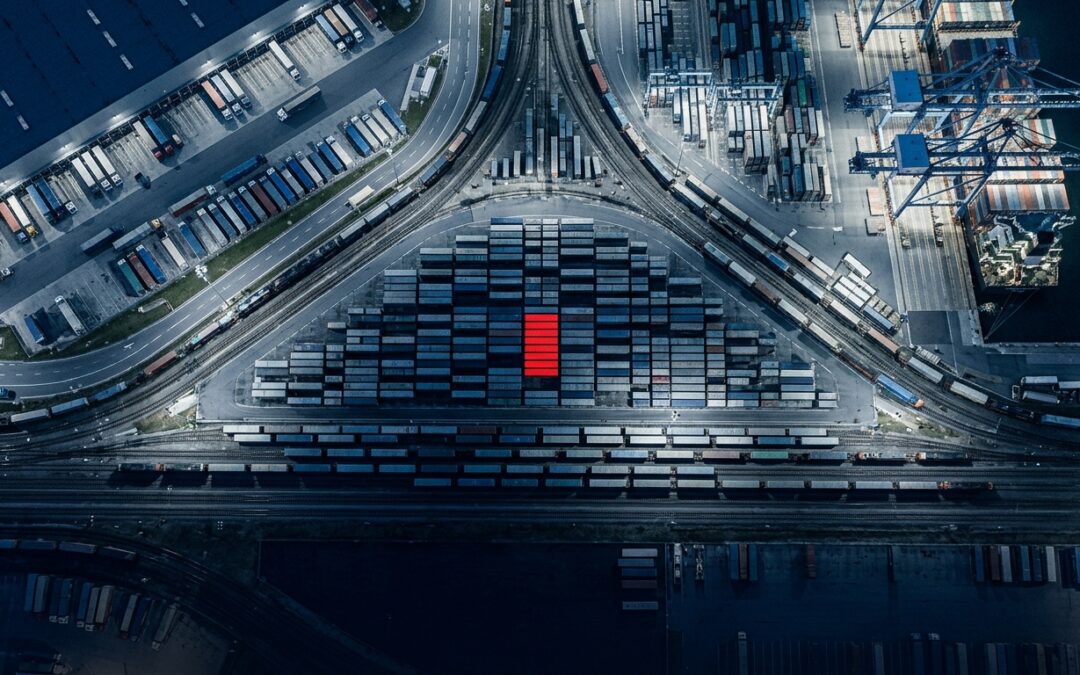
1PL, 2PL, 3PL, 4PL, and 5PL Logistics: A Complete Framework Guide
In logistics, the terms 1PL, 2PL, 3PL, 4PL, and 5PL form a single framework, known as party logistics, that classifies how much of a company’s logistics operations are handled internally and how much are outsourced to specialist providers.
The scale runs from full in-house control at 1PL to technology-led network management at 5PL.
This guide defines each tier precisely, sets out how they differ in scope and control, examines where the framework is contested (particularly at 5PL), and explains how operations leaders can match a model to their business. It treats the ladder as a vocabulary for outsourcing decisions, not as a ranking.
What Does “Party Logistics” Mean?
Party logistics (PL) is a classification framework that describes the degree to which a business outsources its logistics activities. The numbering reflects how many functions sit with external specialists rather than the company itself: the higher the number, the greater the outsourcing and integration. The vocabulary developed over several decades. The practice of third-party logistics expanded in the United States through the 1980s, following the deregulation of trucking and rail at the start of that decade, while the term fourth-party logistics was introduced by Andersen Consulting (later Accenture) in 1996 and was originally registered as a service mark.
1PL: First-Party Logistics
First-party logistics (1PL) refers to a business that manages its logistics entirely in-house, using its own assets and a team it employs. No external logistics provider is engaged. The company is responsible for its own vehicles, warehousing, and personnel, and it retains complete operational control. A small brewery delivering its product to nearby pubs on its own trucks is a straightforward example.
- Asset ownership: the business owns the vehicles, storage, and equipment its logistics depend on.
- Direct control: all operational decisions, from routing to scheduling, remain internal.
- Common use case: manufacturers running their own delivery fleets, or retailers operating their own distribution networks.
2PL: Second-Party Logistics
Second-party logistics (2PL) refers to an asset-based carrier that provides a single logistics service, most often transportation, to a shipper. The carrier owns and operates the physical assets that move goods, but the shipper continues to direct its own supply chain. In this arrangement, the 2PL supplies capacity rather than management, and the relationship is typically transactional and limited to the specific service contracted.
- Asset-based: the provider owns vehicles, vessels, aircraft, or terminals.
- Single-service: the scope is usually transportation alone, and less commonly, standalone warehousing.
- Common examples: ocean shipping lines, air cargo carriers, road haulage companies, and rail freight operators.
3PL: Third-Party Logistics
Third-party logistics (3PL) describes a provider that takes on several of a shipper’s logistics functions at once, rather than a single service. A 3PL commonly handles transportation, warehousing, order fulfillment, customs processing, and value-added services (VAS) such as packing, labeling, and kitting. It is the most widely used outsourcing model in the logistics market.
A 3PL operates at the activity level: it executes logistics tasks on the shipper’s behalf but does not usually take ownership of overall supply chain strategy.
- Multi-service: combines transport, warehousing, fulfillment, and customs under one provider.
- Asset-based or non-asset-based: some 3PLs own their assets, while others subcontract capacity.
- Operational level: the provider executes logistics activities rather than directing strategy.
- Broad category: it spans a wide range of provider types.
Familiar examples of 3PL providers include freight forwarders, contract warehousing firms, e-commerce fulfillment specialists, and customs brokerage companies.
A 3PL commonly handles transportation, warehousing, order fulfillment, customs processing, and value-added services (VAS).
4PL: Fourth-Party Logistics
Fourth-party logistics (4PL), also called a lead logistics provider (LLP), is a supply chain integrator that manages a shipper’s entire logistics function. Rather than performing transport or warehousing itself, a 4PL coordinates the providers that do, often directing multiple 3PLs and 2PLs beneath it. It is typically non-asset-based, since its value lies in integration, technology, and oversight rather than in owned infrastructure.
Many 4PLs operate as a control tower, a centralized function providing end-to-end visibility across the supply chain.
- Strategic level: manages the complete logistics function rather than isolated activities.
- Coordination: directs and aligns multiple subcontracted 3PLs and carriers.
- Non-asset-based: value comes from integration, systems, and management, not owned assets.
- Control tower: provides centralized, end-to-end supply chain visibility.
The distinction from a 3PL is one of level. A 3PL executes defined logistics activities, whereas a 4PL designs, manages, and optimizes the wider logistics function that sits above one or more 3PLs.
5PL: Fifth-Party Logistics
Fifth-party logistics (5PL) is the least settled tier in the framework. Broadly, it describes a technology-driven approach that uses data analytics, automation, and integration platforms to manage networks of supply chains rather than a single chain. Beyond that, definitions diverge. Some industry sources frame 5PL around e-commerce, where an aggregator coordinates logistics across many sellers and channels. Others frame it as big-data and AI-driven management of multiple supply chains on behalf of large organizations.
There is no single agreed definition, and major bodies, including the Council of Supply Chain Management Professionals (CSCMP), do not formally define the term. What the competing definitions share is a shift from managing an individual supply chain to managing a network of them, usually through a technology platform.
- Technology-led: built on data, automation, and platform integration.
- Network-level: concerned with multiple supply chains rather than one.
- Not standardized: competing definitions coexist across the industry.
| Tier | Definition (short) | Asset-based? | Scope | Typical Use Case |
|---|---|---|---|---|
| 1PL | Logistics managed in-house with owned assets | Yes (the shipper’s own) | Single business, internal | A manufacturer delivering with its own fleet |
| 2PL | Asset-based carrier providing one service, usually transport | Yes | Single service | Ocean, air, road, or rail freight capacity |
| 3PL | Outsourced provider handling multiple logistics functions | Asset-based or non-asset-based | Multiple activities | Warehousing, fulfillment, and transport outsourced together |
| 4PL | Integrator managing the whole logistics function across providers | Typically non-asset-based | End-to-end supply chain | Coordinating several 3PLs for a complex account |
| 5PL | Technology-led management of multiple supply chain networks | Non-asset-based | Network of supply chains | Platform-based optimization across chains |
How to Choose the Right Logistics Model
No single tier is correct for every business; the appropriate model depends on a small number of operational factors. The considerations below frame the decision rather than prescribing an answer, since the right choice varies by company and context.
- Logistics volume and complexity: lower volumes may be served well in-house or by a single carrier, while higher volumes and complexity tend to favor multi-service or integrated providers.
- Geographic scope: operating within one country differs significantly from coordinating logistics across many.
- Internal logistics capability: an established in-house team changes the value of outsourcing compared with a business that lacks one.
- Asset strategy: whether a company prefers to own logistics assets or keep them off its balance sheet.
- Need for integration: coordinating several providers points toward a 4PL, whereas executing defined activities points toward a 3PL.
- Technology and data maturity: the relevance of platform-led models such as 4PL and 5PL depends on a business’s data sophistication.Related guidance covers when to outsource customs clearance to a specialist provider.
Hybrid Models: Where the Framework Breaks Down
In practice, most mid-sized and large businesses do not select one tier and stop there. They combine several at once because the framework is descriptive rather than prescriptive. A manufacturer might run a 1PL operation for short-haul distribution, contract 2PL ocean carriers for international freight, and use a 3PL for warehousing in overseas markets. An e-commerce business might rely on several 3PLs for fulfillment in different regions while engaging a 4PL to integrate them. Seen this way, the PL ladder is most useful as a shared vocabulary for outsourcing decisions, not as a list of mutually exclusive options.
Frequently Asked Questions
What is the difference between 3PL and 4PL?
A 3PL executes specific logistics activities such as transport, warehousing, and fulfillment. A 4PL operates at a higher level, managing and integrating the entire logistics function, and often coordinating several 3PLs beneath it.
Is a freight forwarder a 3PL?
A freight forwarder is generally considered a category of 3PL, since it arranges and manages the movement of goods on a shipper’s behalf. Many forwarders are non-asset-based, arranging capacity rather than owning it.
What does PL stand for in logistics?
PL stands for party logistics. The preceding number, 1 through 5, indicates the degree to which a company outsources its logistics, from fully in-house at 1PL to technology-led network management at 5PL.
Can a business use multiple PL tiers at the same time?
Yes. Most larger businesses combine tiers, for example, using 2PL carriers, 3PL warehousing, and 4PL integration together. The framework describes outsourcing arrangements rather than requiring a single choice.
Is 5PL an industry-standard term?
Not yet. 5PL has competing definitions and is not formally defined by bodies such as CSCMP. It generally refers to technology-led management of multiple supply chain networks, but usage varies across the industry.
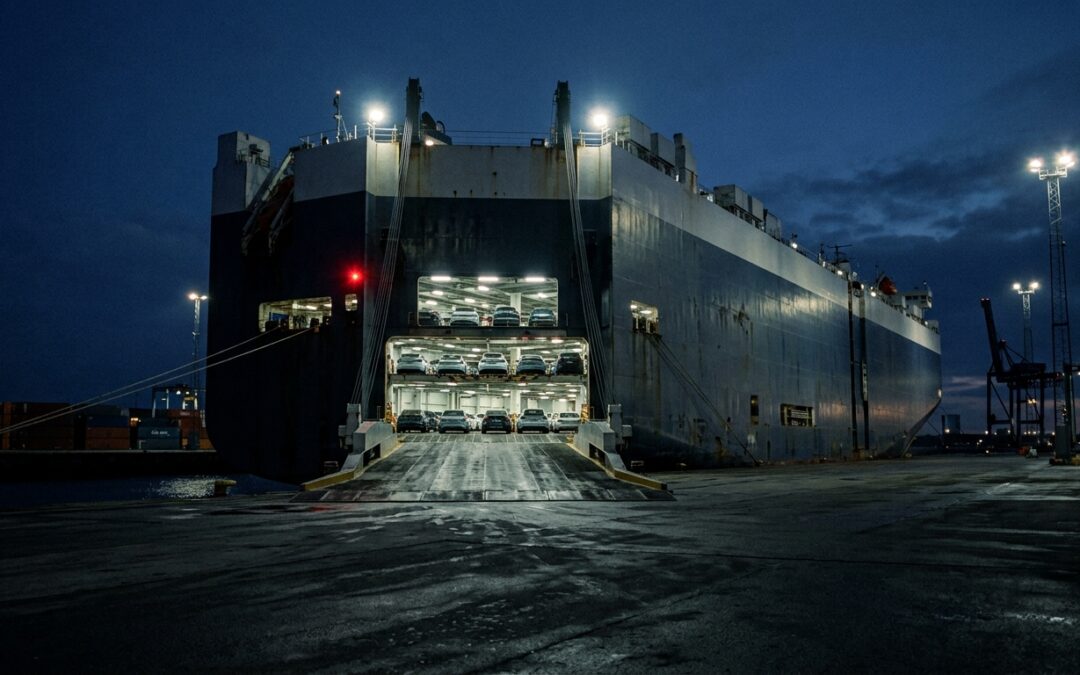
Electric Vehicle Logistics: What Fleet and Distributor Teams Should Plan For
You are planning your first shipment of electric vehicle (EV) parts into the Middle East and North Africa (MENA) region, and the component that shapes every decision is the battery. Shipped on its own, a lithium-ion battery is Class 9 dangerous goods (DG): that one fact changes the transport mode, the packaging, the documents, and who is legally allowed to handle it. Electric vehicle logistics, in the cargo sense this guide uses, is largely about planning around it.
How EVs and EV Parts Are Transported
Most international EV parts shipments into MENA combine modes. The right mix depends on value, volume, urgency, and whether the shipment contains lithium batteries.
| Mode | Best For | Transit (US/EU to MENA) | Notes |
|---|---|---|---|
| Sea, container | High-value parts, large volumes | 18 to 35 days | Stronger protection for components |
| Sea, RoRo | Driveable whole units | 18 to 35 days | Roll-on/Roll-off; quick load and unload |
| Air | Time-critical, high-value, pre-launch stock | 3 to 7 days | Costlier; lithium content falls under the IATA DGR |
| Road (in-region) | Final delivery from the port | Varies | To dealerships and service centers across the region |
Most parts shipments are multimodal: sea freight from origin plus road delivery from the port. See GCE’s shipping methods compared and car shipping services.
Lithium Battery Rules and Why They Matter
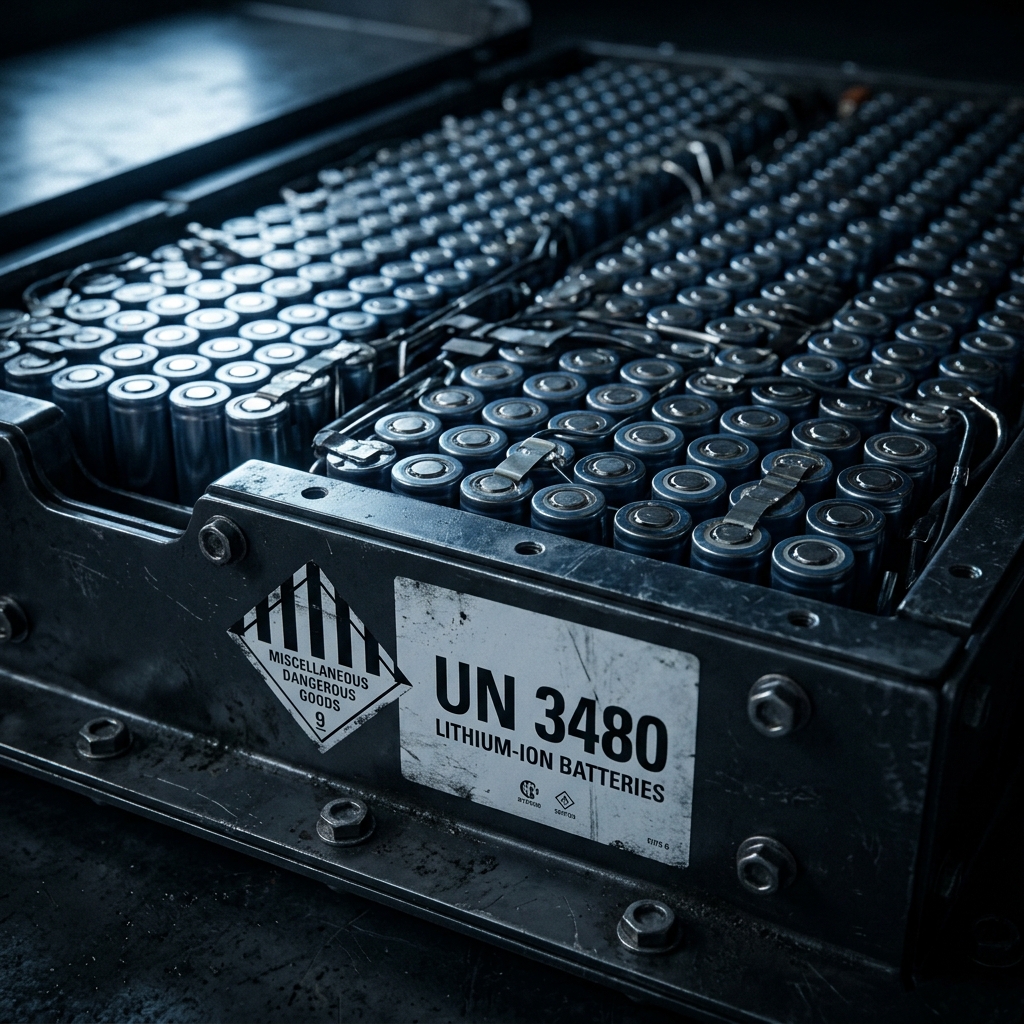
The single biggest regulatory consideration in EV logistics is lithium battery handling. Shipped separately from a vehicle, lithium-ion batteries are Class 9 dangerous goods, which changes packaging, documentation, labeling, and who is allowed to handle them.
| Reference | What It Covers | Key Point |
|---|---|---|
| UN 3480 | Lithium-ion batteries shipped alone (cells or packs) | Class 9 dangerous goods |
| UN 3481 | Batteries packed with or inside equipment | Class 9; some packaging and quantity exemptions |
| IATA DGR | Air transport of lithium batteries | Updated yearly; stricter than sea on quantity, charge, packaging |
| IMDG Code | Ocean transport (Intl Maritime Dangerous Goods Code) | Applied per port, with country overlays |
| DOT Special Provision 961 | Intact EVs, batteries installed (US surface transport) | Not DG under US rules when conditions met; parallels vary by country |
Note:
Battery shipments need dangerous-goods-certified handlers and DG-trained packing. GCE coordinates with DG-certified partners where battery transport is in scope. Full battery DG handling is a specialist service, not something performed in-house. Documentation sits at the center of any DG move, so get it right early (see key freight documents explained).
MENA Import Considerations for EV Parts
Importing EV parts into MENA introduces regional rules that do not exist in North American or European markets. Plan around four considerations.
- GSO technical regulations. The Gulf Standardization Organization (GSO) sets specifications for vehicle and component imports into Gulf Cooperation Council (GCC) member states (UAE, Saudi Arabia, Kuwait, Bahrain, Qatar, Oman). Many categories require G Mark conformity.
- National standards bodies. ESMA (Emirates Authority for Standardization and Metrology, UAE) and SASO (Saudi Standards, Metrology and Quality Organization) overlay GSO rules. SASO’s SABER platform handles Saudi product registration.
- Importer of Record. Foreign sellers without a local entity typically need a Non-Resident Importer of Record arrangement, used in the UAE, Saudi Arabia, Jordan, Kuwait, and most regional markets. See GCE’s MENA IOR services and IOR services in the UAE.
- HS code classification. EV components span several Harmonized System (HS) chapters: 84 (motors), 85 (batteries and electrical equipment), 87 (vehicle parts). Misclassification creates duty exposure and customs delay risk (see HS code classification).
How GCE Supports First MENA EV Parts Shipments
GCE Logistics has not built a separate EV practice. What we operate that is relevant to a first MENA shipment sits across three areas
- International freight forwarding to MENA: We coordinate sea, air, and multimodal shipments to the UAE, Saudi Arabia, Jordan, Kuwait, Qatar, Bahrain, Oman, and Lebanon, drawing on our international freight forwarding service‘s automotive logistics experience on these routes.
- Customs clearance and IOR/EOR: We act as Importer of Record or Exporter of Record for foreign sellers without a local entity in the destination country, handling regional documentation through our customs clearance services
- Coordination with DG-certified partners: For shipments containing lithium battery components that require Class 9 dangerous goods handling, we work with DG-certified specialists rather than handling them in-house.
End-to-End EV Shipping Support
Planning a first EV parts shipment into the MENA region involves a stack of decisions: mode, classification, customs, IOR, and partner selection. To talk through the international freight forwarding, customs, and IOR layer for your specific shipment, get in touch.
Frequently Asked Questions
Are EV batteries classified as dangerous goods?
Yes, when shipped separately from a vehicle. Lithium-ion batteries shipped alone fall under UN 3480, and batteries packed with or installed in equipment fall under UN 3481; both are Class 9 dangerous goods. Intact EVs with batteries installed and meeting set conditions can be exempt under rules like DOT Special Provision 961 in the US, though international rules vary.
Can EV batteries be shipped by air?
Yes, but under stricter rules than sea freight. The IATA Dangerous Goods Regulations govern air shipments of lithium-ion batteries and are typically more restrictive on quantity, state of charge, and packaging. Air shipping makes sense for time-critical, low-volume component shipments rather than routine inventory.
What standards apply to EV parts entering the GCC?
The Gulf Standardization Organization (GSO) sets technical regulations across GCC member states, with national overlays from ESMA in the UAE and SASO in Saudi Arabia. Many product categories require G Mark conformity, and Saudi imports usually require registration through the SABER platform.
Do I need a customs broker or an IOR for a MENA EV parts shipment?
Foreign sellers without a local entity in the destination country typically need a Non-Resident Importer of Record arrangement, which applies in the UAE, Saudi Arabia, Jordan, Kuwait, and most regional markets. A customs broker handles the entry filing; an Importer of Record holds legal responsibility for the import.
How long does sea freight to MENA usually take?
From the US East Coast or Europe to major MENA ports, sea freight typically runs 18 to 35 days in transit, plus customs clearance and final delivery. Air freight runs 3 to 7 days. Actual timing depends on the lane, port congestion, and shipment specifics.
Does GCE handle lithium battery dangerous goods directly?
GCE coordinates international freight forwarding and customs/IOR services. For shipments containing lithium battery components that require Class 9 dangerous goods handling, GCE works with DG-certified handlers and accredited specialists rather than performing that handling in-house.

The Global Power Crisis: What’s Really Happening — and How It Will Hit Industry
The Global Power Crisis: What’s Really Happening — and How It Will Hit Industry
Demand is outrunning supply, grids are buckling under pressure, and the industries that move the world are about to feel it.
The world is entering a structural power crisis, and it started long before geopolitical tensions made headlines. Energy demand is rising faster than infrastructure can handle. Aging grids, regulatory delays, and rising project costs are slowing down new capacity.
Nearly a quarter of global energy projects are already delayed due to grid bottlenecks and permitting issues. The reality is simple: we need more power than the system was built to deliver, and fixing that takes years, not months.
This is not an energy price problem. It is an energy architecture problem.

01 — Manufacturing: The First Casualty
Manufacturing is the most immediate victim of power shortages. Global trade growth is already slowing, with projections dropping to 1.5%–2.5% in 2026. In many regions, factories are facing fuel shortages and energy rationing.
Energy-intensive industries — steel, cement, and chemicals — are under the most acute pressure. Force majeure clauses are being invoked with increasing frequency. What this looks like in practice:
- Reduced factory operating hours
- Unpredictable production schedules
- Energy cost surcharges of up to 30%
- Contract disruptions and force majeure clause activations
02 — AI & Data Centers: The Hidden Power Monster
This is the part most industries are dangerously underestimating. Data centers now consume more electricity than 30 countries combined. Power demand per server rack has increased nearly 10x — and it is still rising.
By 2027, power demand from this sector is expected to grow 50%, while up to 40% of AI data centers may face operational limits. In major hubs like Frankfurt and London, grid connection delays can reach 10 years. Up to 50% of data center projects are currently stalled due to power constraints.
Why this matters: every logistics system — tracking, booking, customs clearance — runs on data centers. Less power means slower digital infrastructure. Slower digital infrastructure means slower global trade.
Note for businesses: The digitization of supply chains assumed abundant, reliable power. That assumption is now in question. Any organization dependent on real-time logistics data, automated customs, or cloud-hosted ERP systems carries indirect exposure to data center power constraints — even if they have never set foot near a server farm.
03 — Supply Chains: Compounding Shortages
The power crisis is not just about electricity — it is also about materials. Key shortages are emerging across critical components:
- Copper — essential for grids and EVs
- Transformers and turbines
- Memory chips (DRAM and flash storage)
Lead times are stretching dramatically — in some cases beyond 58 weeks. Chip costs are projected to increase by up to 100% in 2026. The result: supply chains are becoming slower, more expensive, and less predictable. Companies that relied on just-in-time models are finding that the assumptions underpinning those models no longer hold.
04 — Industry Exposure Map: Which Sectors Face the Most Risk
Immediate Impact — High Risk Steel & metals, chemicals & fertilizers, cold chain logistics, semiconductor manufacturing. These industries rely directly on a continuous, high-power supply.
6–12 Months — Medium Risk Automotive manufacturing, e-commerce platforms, port operations, air freight hubs. These depend on both energy and vulnerable supply chains.
Long-term — Emerging Risk Renewable energy supply chains, EV charging networks, smart warehousing & robotics. Ironically, even the industries designed to solve the energy crisis are constrained by current energy limits — a feedback loop that will define the pace of transition.
05 — What Comes Next
Energy prices are expected to remain volatile. Electricity supply growth is projected to rise only 1.2% in 2026 — far below what demand requires. Companies are already adapting:
- Large firms plan to self-generate up to 23% of their power
- Energy optimization budgets are increasing across sectors
- Governments are shifting focus toward energy security over climate leadership
The energy transition is no longer just environmental, it is economic and strategic. The companies that understand this earliest will spend those years building a competitive advantage. The rest will spend them catching up.
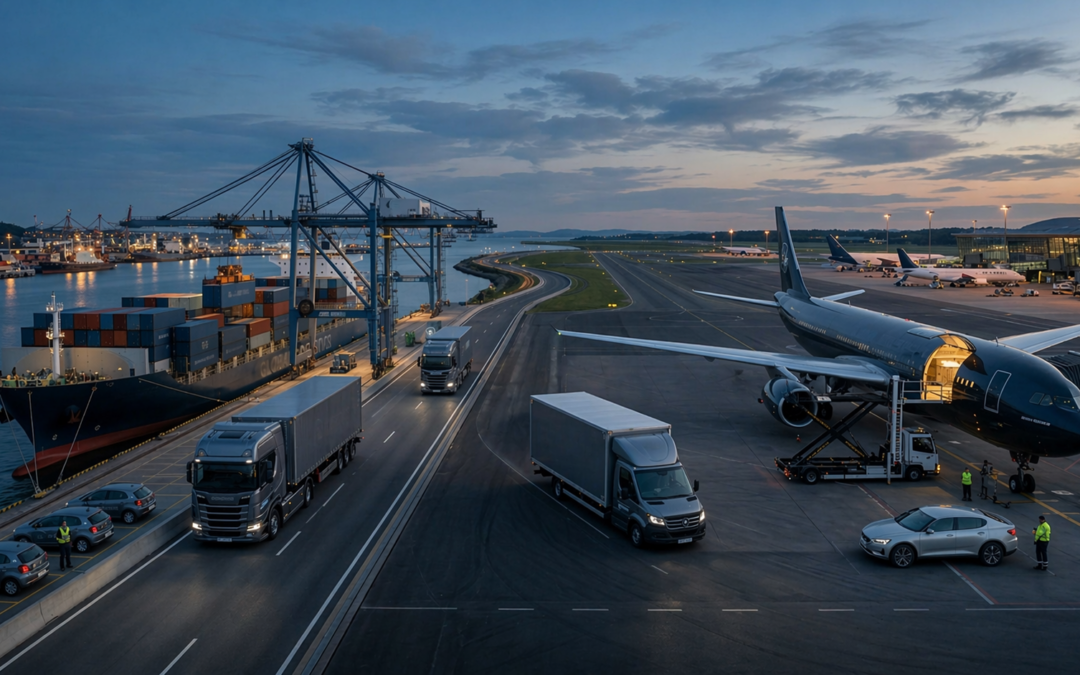
Types of Freight Forwarders: A Complete Guide
At a Glance
8 forwarder types │ 4 transport modes (air · ocean · road · rail) │ FCL · LCL · FTL · LTL · NVOCC │ Match the forwarder to your cargo, cost, and speed
Air Freight Forwarders: When Speed Outweighs Cost
An air freight forwarder arranges the shipment of goods by aircraft, working directly with airlines or through cargo consolidators to secure space, negotiate rates, and manage the air freight process from origin to destination. It is the right choice for time-sensitive, high-value, and perishable cargo such as pharmaceuticals, electronics, fashion samples, and urgent replenishment shipments. Air forwarders handle IATA-compliant security screening, Air Waybill (AWB) preparation, dimensional and chargeable weight calculations, and customs clearance at both ends. Most operate two service tiers: direct scheduled services for the fastest transit, and deferred consolidation services for cost-optimized shipments. GCE Logistics provides air freight services across global lanes, with strong EU and Middle East corridor expertise.
Ocean Freight Forwarders: The Most Cost-Effective Mode for Bulk
An ocean freight forwarder arranges cargo transport via sea carriers, managing container bookings, port handling, shipping documentation, and customs clearance at origin and destination. Ocean freight is the most cost-effective mode for large, heavy, and non-urgent shipments, typically three to six times cheaper per kilogram than air. Two service structures apply:
- FCL (Full Container Load) means one shipper books an entire container, giving them the lowest per-unit cost at scale.
- LCL (Less than Container Load) means multiple shippers share container space, making sea freight viable for smaller volumes.
A specialist option is NOR (Non-Operating Reefer), where refrigerated containers are used as dry containers on return legs at discounted rates. Ocean forwarders manage the Bill of Lading, container release, and destination customs clearance. Explore GCE’s ocean freight services for global sea freight execution.
Road Freight Forwarders: The Default for Regional Trade
A road freight forwarder arranges cargo transport by truck across national and international road networks. It is the most common mode for intra-regional and cross-border shipments within Europe and the Middle East, and offers two main service structures:
- FTL (Full Truckload) is when one shipper books an entire trailer for faster transit and direct delivery.
- LTL (Less than Truckload) means smaller consignments share trailer space at a lower per-unit cost.
Road forwarders coordinate border permits, customs clearance at land ports, and last-mile delivery, which is especially relevant for EU distribution and GCC cross-border routes. See GCE’s land freight services for regional execution.
Rail Freight Forwarders: Bulk Cargo, Lower Carbon Footprint
A rail freight forwarder arranges cargo transport via rail networks. It suits heavy, bulk, or large-volume shipments over medium and long distances, particularly where road becomes impractical. Rail is especially relevant for Europe-Asia corridors (including China-Europe rail routes) and bulk commodities such as steel, coal, chemicals, and manufacturing components. It carries a lower CO2 footprint than road or air, though it is less flexible due to fixed schedules and terminal locations.
Multimodal Freight Forwarders: One Contract, Multiple Modes
A multimodal freight forwarder coordinates shipments using two or more transport modes under a single contract. A typical example is sea from origin to a European port followed by road for last-mile, or air from Asia into a Gulf hub followed by trucking across the GCC. The forwarder plans each leg to balance cost, speed, and reliability under one point of accountability and one Bill of Lading. A small but important distinction applies here: multimodal means a single contract across modes, while intermodal means the same container moves across modes without unloading. Multimodal is the right choice for complex international routes, cost optimization, and supply chains crossing multiple borders. GCE Logistics manages multimodal freight forwarding globally, combining air, ocean, and road execution under a single point of contact.
NVOCC and Freight Consolidators: Carriers Without Their Own Vessels
An NVOCC (Non-Vessel Operating Common Carrier) issues its own Bill of Lading and consolidates LCL shipments into FCL containers without owning vessels. NVOCCs book bulk space with ocean carriers and resell it to smaller shippers, making them particularly useful for LCL volumes, e-commerce exporters, and consolidators serving multiple buyers. Although often confused with traditional freight forwarders, NVOCCs assume carrier-like legal responsibility by issuing their own House Bill of Lading (HBL).
Customs Brokers: Compliance Specialists at the Border
A customs broker is a licensed agent who handles customs clearance, duty payment, and import documentation on behalf of the importer. Customs brokers may operate as part of a freight forwarder, as standalone partners, or under a dedicated Importer of Record service. The right choice depends on shipment complexity and whether you need single-point accountability across freight and clearance. GCE Logistics combines forwarding with IOR and customs responsibilities so importers get a single point of contact.
Specialist Freight Forwarders: When Cargo Demands Expertise
Some freight forwarders specialize in specific cargo types or regulated industries, requiring expertise and certifications that go beyond general logistics. The five main specialist categories are:
- Hazardous goods (DG) forwarders handle IATA DGR and IMDG-regulated dangerous materials with specialist packaging, labeling, and approved carriers at every stage.
- Perishables and cold chain forwarders manage temperature-controlled transport for food, flowers, and pharmaceuticals.
- Pharmaceutical and healthcare forwarders ensure Good Distribution Practice (GDP) compliance, continuous temperature monitoring, and full chain-of-custody documentation.
- Oversized and project cargo forwarders coordinate heavy-lift, out-of-gauge machinery, and large-scale equipment movements that require route surveys and special permits.
- IT and technology equipment forwarders manage CE marking compliance, customs classification, and regulatory permits for electronics, telecoms hardware, and data centre infrastructure.
GCE Logistics specializes in IOR-compliant imports of IT and telecoms equipment across the EU and Middle East.
Digital Freight Forwarders: From Quote to Booking in Minutes
Digital freight forwarders use technology platforms to automate quoting, booking, tracking, and documentation, compressing the time from quote request to confirmation from days to minutes. Digital capability is now an expectation rather than a separate category. Modern full-service forwarders combine on-ground execution with real-time tracking and proactive shipment updates as standard.
3PL vs 4PL: Where Does a Freight Forwarder Sit?
A Third-Party Logistics provider (3PL) delivers individual logistics services such as warehousing, transport, and fulfillment, typically managed by the shipper. A Fourth-Party Logistics provider (4PL) acts as a single point of contact managing the entire supply chain, often subcontracting 3PLs and freight forwarders. Freight forwarders generally operate at the 3PL level, but can act in a 4PL capacity for managed supply chain clients. A more recent term, 5PL, refers to technology-driven supply chain integration across multiple 4PL networks, and is most common in modern e-commerce fulfillment.
| Forwarder Type | Best For | Cost Level | Transit Speed |
|---|---|---|---|
| Air | Time-sensitive, high-value, small cargo | $$$ | Fastest |
| Ocean | Bulk, heavy, non-urgent | $ | Slowest |
| Road | Regional, cross-border, last-mile | $$ | Flexible |
| Rail | Bulk, inland, Europe-Asia corridors | $ | Medium |
| Multimodal | Complex routes, cost balance | Variable | Balanced |
| NVOCC | LCL and small e-commerce shipments | $ | Slow-Medium |
| Customs Broker | Customs clearance only | $ | N/A |
| Specialist | Hazmat, pharma, oversized, IT | $$$ | Variable |
Picking the Right Freight Forwarder: Five Criteria That Matter
Choosing the right forwarder depends on cargo type, route, timing, and compliance requirements. Five criteria help narrow the choice:
- Identify your transport mode needs. Single-mode (air, ocean, road, rail) or multimodal across multiple legs.
- Confirm customs and IOR support. This is critical if you have no local entity in the destination market. See IOR support.
- Assess specialist requirements. Hazmat, pharma, oversized, or IT cargo each demand specific certifications and handling capabilities.
- Verify FIATA and IATA certifications. These are baseline trust signals for legitimate international forwarders, alongside a credible global network of agents and partners.
- Evaluate documentation accuracy, digital tracking, and communication responsiveness. Operational reliability is what separates a forwarder from a broker.
Frequently Asked Questions
What is the difference between a freight forwarder and a carrier?
What is the difference between NVOCC and a traditional freight forwarder?
What is LCL vs FCL?
What is 3PL, 4PL, and 5PL?
What is the difference between a freight forwarder and a freight broker?

The Gate of Tears: What Happens to Global Trade if Bab el-Mandeb Closes?
What is Bab el-Mandeb? (Why It Matters)
Key facts:
- Only 29 km wide
- Connects the Red Sea to the Gulf of Aden (gateway to the Suez Canal)
- Handles ~12% of global seaborne trade daily
- Moves ~8.8 million barrels of oil per day (EIA)
- Narrow, exposed, and difficult to secure
For Gulf exporters like Saudi Arabia and the UAE, this is not optional infrastructure; it is a critical energy lifeline to Europe.
The Threat Today (Why This Is Escalating)
The situation is no longer theoretical; it is actively unfolding.
What’s happening now:
- The Houthi movement has escalated attacks, including strikes on Israeli-linked targets
- Officials have confirmed that closing the strait is “an option on the table.”
- The corridor is technically open, but operationally unstable
- Major carriers (Maersk, MSC, Hapag-Lloyd) are already:
- Rerouting via the Cape of Good Hope
- Avoiding the Red Sea in practice
The result: Disruption without formal closure
It is worth noting that ocean, air, and tanker freight rates were already rising sharply before this escalation, which was driven directly by regional conflict. A Bab el-Mandeb closure would accelerate that pressure across every mode simultaneously.
If Bab el-Mandeb Closes — Global Impact Breakdown
A full closure would trigger a multi-layered shock across energy, logistics, and food systems.
Energy Markets
- Oil could surge to $120–$130+ per barrel
- LNG flows to Europe face severe disruption
- Middle East → Europe energy routes delayed by weeks
Air Cargo
- Already down ~18% globally
- Surge in demand for: Electronics, Pharma, High-value goods
- Capacity tightens → rates increase further
Food Security
- The Middle East imports ~85% of its food
- Risk of shortages by late 2026
- Staples like wheat and rice most vulnerable
Ocean Freight
- +12–15 additional days (on top of Cape rerouting)
- Effective shipping capacity drops
- Freight rates spike sharply across all modes
Manufacturing
- Just-in-time models fail under prolonged delays
- Highest exposure sectors: Automotive, Pharmaceuticals, Electronics
Financial Markets
- Inflation accelerates globally
- Marine insurance premiums rise 50–100%
- Trade-dependent economies face downward pressure
The Bigger Picture (Why This Is Different)
This is not a temporary disruption.
It is a structural stress test of global trade systems. Maritime reliability is being challenged, insurance frameworks are under pressure, just-in-time logistics is breaking down, and geopolitical risk is now permanently embedded in supply chains.
The World Bank and UNCTAD have both flagged sustained chokepoint disruption as one of the most severe systemic risks to global economic stability this decade. Those warnings are no longer hypothetical.
Organizations that adapt now will gain a long-term competitive advantage — not just survive this crisis.
Final Thought
The “Gate of Tears” has disrupted trade before.
But in today’s interconnected global economy, the cost of disruption is exponentially higher, and recovery is slower.
And now, is your supply chain built to absorb what’s coming — or still built for a world that no longer exists?
Also, you can read:
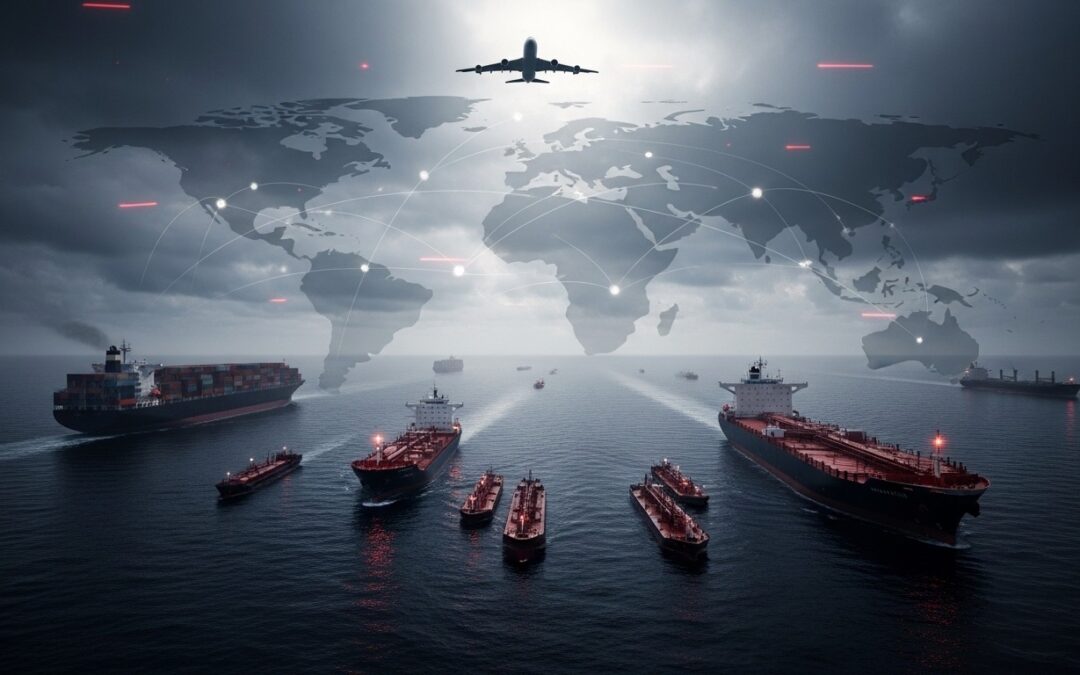
How the US-Iran War Is Driving Up Ocean, Air, and Tanker Freight Rates
The Crisis That Changed Everything Overnight On March 2, 2026, Iranian forces attacked commercial vessels attempting transit through the Strait of Hormuz. Within 48 hours, Brent crude surged 13%. At least 150 tankers and container ships dropped anchor in surrounding waters. Five of the world’s largest marine insurers cancelled war risk coverage for Gulf operations. The freight markets, tanker, ocean container, and air cargo have not recovered. This is not a temporary disruption waiting to self-correct. The Strait of Hormuz, the world’s single most critical maritime chokepoint, is now effectively closed to commercial traffic. What follows is a precise account of what that means for freight rates, supply chains, and businesses with exposure to the Gulf, Asia-Europe, or Middle East trade lanes.
The Strait of Hormuz: Why This Chokepoint Changes Everything
The Strait of Hormuz is 21 miles wide at its narrowest navigable point. Approximately one-fifth of all globally consumed oil, along with significant volumes of LNG, passes through it every day. Jebel Ali (Dubai), Ras Tanura (Saudi Arabia), and Fujairah (UAE) are the primary Gulf ports feeding this corridor. For westbound cargo, the only meaningful alternative is the Cape of Good Hope route around the southern tip of Africa, adding 7,000–10,000 nautical miles and 10–14 transit days.
As of early March 2026, Iran’s Revolutionary Guards have issued explicit warnings that any vessel attempting Hormuz transit risks being fired upon. Navigation has not merely slowed; it has effectively halted. This is not a weather event or a temporary reroute. It is a near-complete closure of the world’s most strategically irreplaceable maritime passage.
KEY FIGURES AT A GLANCE
~150 vessels anchored in surrounding waters | ~20% of global oil supply affected Brent crude up 13% within 48 hours | US crude to $74.47/barrel
Tanker Markets: Rates Surging as Insurers Exit
Tanker markets are the most direct “first responder” to the Gulf conflict because the underlying cargo is energy, and energy is the first constraint that spreads into every transport mode.
Two dynamics are driving the spike:
1) War risk insurance moved from “cost” to “constraint.”
War risk premiums increased dramatically within days, reported as rising from ~0.2% to up to ~1% of vessel value in a short window, adding hundreds of thousands of dollars (or more) per voyage depending on hull value.
Even more important: major marine insurers issued cancellation notices that take effect in early March, reducing available cover for the Gulf and adjacent waters. Reuters reported insurers, including Gard, Skuld, NorthStandard, the London P&I Club, and the American Club, taking action.
When coverage disappears, some shipowners simply cannot operate. That is capacity withdrawal, not a normal price increase.
2) Spot tanker rates repriced risk fast
Reuters reported in late February that VLCC (Very Large Crude Carrier) benchmarks were at their highest since 2020 on key Middle East–Asia routes.
As the conflict deepened into early March, Reuters described the Strait disruption and its effect on oil and LNG shipping, with ships stranded and risk escalating.
What to watch next (tanker):
- Whether naval escort announcements translate into real commercial sailings at scale (the market often waits to see actual transits before repricing down).
- Whether Qatar and other producers sustain force majeure or output reductions, which can reduce cargo availability while keeping freight volatility high.
Ocean Container Freight: Surcharges Stack Up as Vessels Divert
Container shipping is where freight buyers feel the disruption most visibly, because charges show up immediately as war risk surcharges, emergency conflict surcharges, and bunker/fuel-related additions, often stacked.
What’s happening operationally
Carriers and forwarders have been issuing continuous advisories as Gulf services face interruption and congestion. Expeditors reported temporary operational suspensions at several Middle East ports, including Jebel Ali, alongside intensifying delays and congestion dynamics.
On top of port and transit disruption, liner networks are facing booking uncertainty. Reuters reported COSCO Shipping suspending new bookings to and from Middle East routes as the situation escalated.
Air Freight: Capacity Falls as Hubs Go Dark
When the ocean becomes unreliable, shippers look to air. But in this conflict, air is constrained by the same issue as sea: the Middle East is not just a destination region—it’s a global transit corridor.
Multiple industry reports citing Rotate data indicated global air cargo capacity declined by about 18% as airspace closures and suspensions spread across the region
| Carrier | Status | Key Routes Affected |
| Emirates SkyCargo | Suspended | Dubai – Asia, Dubai – Europe |
| Qatar Airways Cargo | Halted | Doha – Global hub routes (≈13 t/day capacity offline) |
| FedEx | Suspended | Network across 10 Middle East countries |
| Cathay Group | Rerouting | Hong Kong – Middle East – Europe |
| Air India | Suspended / Rerouting | India – Gulf connections |
| United Airlines | Suspended | United States – Middle East routes |
| SWISS | Suspended | Europe – Gulf connections |
The Wider Supply Chain Impact: Beyond Freight Rates
Freight rates are the visible symptom. The broader impact shows up in planning systems, approvals, and cash flow.
- Fuel cost propagation: Oil price spikes feed into bunker and fuel surcharges across modes, and can lift inland transport costs over time.
- Insurance as a hard constraint: When war risk cover is excluded or unavailable, some movements cannot legally or commercially proceed; this is capacity removal, not a simple cost adder.
- Port congestion and dwell-time costs: As operations suspend or slow, container dwell, detention, and demurrage risks rise, particularly where transshipment reliance is high.
- Procurement and approval latency: Buyers operating on weekly quote cycles will often “accept” outdated assumptions; the market is repricing faster than many enterprise planning cadences. (This is where teams with real-time rate visibility outperform.)
- Project risk for high-value tech cargo: Electronics, telecom, and data-center equipment face a compounded exposure: rate volatility + schedule volatility + higher insurance scrutiny.
What Freight Buyers Should Do Now: 5 Practical Steps
This is the part competitors rarely give you in one place. If you manage freight budgets, deployment timelines, or import programs, these steps reduce surprise.
1) Audit your Middle East exposure
Map which lanes, suppliers, and routings touch the Gulf—including transshipment hubs. Don’t assume “not shipping to the Gulf” means “not exposed.”
2) Review your freight insurance—immediately
Confirm whether your coverage still applies under current exclusions and cancellation notices. Do not assume your prior terms still hold in the same geography.
3) Identify modal and routing alternatives (before you need them)
If air capacity is down and ocean routings are diverting, you need pre-approved alternates—different hubs, different routings, different service levels. Capacity constraints are already visible.
4) Get forward rate visibility, not just spot quotes
In volatile markets, the most expensive surprise is not the rate itself; it’s the rate you only learn after your cargo is ready. Use refreshed quotes and validity windows. Watch surcharge updates directly from carriers.
5) Engage a freight partner with real-time options
Self-service tools struggle when markets shift daily. The advantage of an experienced partner is not “cheaper”; it’s routing resilience, access, and speed of re-quote when a lane breaks.
Dealing with Saturated E-Commerce Marketplaces from Overseas
How to Deal with Saturated E-Commerce Marketplaces from Overseas?
The first generation of e-commerce ventures was quite lucky. They got to work in marketplaces that were not brimming with competition. Now, when e-commerce has become a trillion-dollar global industry, it is virtually impossible to find any market niche that is working with only a handful of vendors.
Saturation has become a permanent state of the e-commerce marketplace. New e-commerce setups have to accept the reality that they have to work in an environment filled with cut-throat competition. They also need to strategize first before venturing into any market to fight the saturation.
In this blog, we are going to discuss how overseas e-commerce ventures can succeed in a saturated marketplace and the alternative routes they can take. We will also discuss the role of e-commerce Importers of Record in executing those strategies.
Working in a Saturated Market
If you want to succeed in a saturated e-commerce marketplace, then you need to put aside pessimism for a bit. You have to look at the market saturation through a different lens. On the one hand, it shows a place full of competition. On the other hand, it also tells about a great demand for given products. It is a precondition for a saturated market that a lot of people are buying a lot of things.
Recognizing a high-demand market versus a saturated one changes your approach. Let’s explore the SOP for navigating a saturated e-commerce market by comparing it to offline retail settings.
Have you ever noticed a certain neighborhood or stretch of a road having many outlets dealing in similar products and services? For example, some localities are brimming with cafes, then there are some areas known for their sports shops.
An area that doesn’t need more than three restaurants is hosting seven restaurants, and all of them are running on profits. So, how this happens? How the restaurants 4, 5, 6, and 7 succeed when the market is already amply catered by restaurants 1, 2, and 3?
We are breaking down the answer to this question in the below headings. This discussion will also guide overseas sellers on how to cope with a saturated e-commerce landscape.
1) Offer Something Different/Special— Deliver Fast
This is the key to success in a saturated marketplace. Even if you are offering similar products and menus, there must be something that you have to do differently to get the consumers’ attention. For example, if your overseas competitor is promising to deliver a similar product in, say, 21 days, then you should try to cut down this delivery time. Go ahead and offer to deliver a similar product in 14 days.
Customers love to buy from sellers that work with quick turnaround time and deliver fast. They are even willing to spend an extra amount to get a product in less time. But to get this edge on your competitor, you need to be in complete synergy with your e-commerce Importer of Record.
You can promise your potential buyers a certain turnaround time only if you can manage a predetermined supply chain with your seller IOR. This is just one way to get ahead in a saturated online market.
2) Lower the Price
There is no magnet to attract buyers like a discount price. No matter how long sellers have been working in a marketplace, they can’t win from new players who are offering the same products at lower price points. When you are selling in an overseas market, it is not possible to cut down the price. The logistics of getting a product in a foreign country don’t allow you to do that.
Amid an overburden of expenses, you can’t offer staggering discounts. However, you can still offer competitive prices and small little cuts. But even to offer that, you need to work on your logistics smartly. If you are handling imports on your own, then forget about carving out any discount offer.
You can only consider discounts if you are working with an expert e-commerce Importer of Record that oversees all your shipments to the destination port. An e-commerce IOR saves you several separate expenses. They handle shipment procurement, customs clearance, and payment of taxes and duties. Some seasoned e-commerce IORs even provide storage and inventory solutions.
You can avail of all these services for a single fee instead of hiring different people and companies to take care of each separate task.
In short, you can only offer a discount on your products if you are cutting down your operational and logistical expenses by any means.
3) Value Addition Always Pays off
A pen and a pen tucked in a velvet cushion and enclosed in a delicate box with a transparent display are two different things. Everyone will gravitate to the latter because of its attractive and well-thought-out packaging. You need to make the most of this basic human psyche to stand apart from your competitors.
Invest some money into transforming the packaging of your products. It will cut into your profits, but it is an investment that entails high ROI in the long run.
Picking a Right Saturated Marketplace
Yes, you also need to make sure that you are venturing into the right saturated market overseas. For instance, if you are mulling overselling an electronic gadget in the UAE, you have two viable to choose from Amazon and Noon.
Noon is the indigenous e-commerce platform of the Middle East, which is quite popular in the UAE for electronic items. This means going on Noon with your electronic products entails better prospects than selling on Amazon UAE. You can easily place your product on Noon.com as an overseas seller, given that you have picked the right e-commerce IOR to work with.
To sell on Noon.com, work with a seller IOR registered with Noon Seller Lab. This allows you to sell on the platform without registering in the UAE or obtaining authorization from Noon’s management.
Similarly, if you are entering a saturated online electronics marketplace in KSA, then Amazon (Souq) would be a better option than Noon.com. In this case, you have to work with an approved Amazon Importer of Record (IOR) service provider. They will also offer you the same convenient importing and selling service where you don’t need to get yourself into logistical and documentation hassle. Learn More about Crating and Packing shipping services
Find a Lesser Saturated E-Commerce Markets
While there are ways to succeed in saturated markets (as discussed above), sometimes luck is not on your side, and you remain unable to get the response you need to sustain your e-commerce operations. If that’s the case, you need to switch to markets that are relatively less saturated.
For instance, if you think e-commerce marketplaces in the UAE and the KSA are saturated for your products regardless of the platform you pick, then you should consider venturing into other MENA countries. For instance, the markets in Jordan and Egypt are still in their formative phase. As an overseas seller, you have a strong chance to succeed there. Working in these less saturated markets also involves the same procedure. You have to sign up for an e-commerce Importer of Record that has enough experience in dealing in Middle Eastern procurements so that you can work without formally registering your business there.
Work in Multiple Saturated E-Commerce Markets
Another way to deal with market saturation is to work in many of them simultaneously. By distributing your sales operation on a wide spectrum of marketplaces, you can maximize your accumulative profits. You need to work with an experienced global Importer of Record for that. Only they let you diversify your overseas selling portfolio.
The Role of E-Commerce Importers of Record in Dealing with Saturated Market
E-commerce ventures can adapt more easily to saturated markets by shifting to new ones without relocating operations. However, they must ensure timely delivery to any new market they enter.
Here, the services of a global e-commerce Importer of Record come in useful. They make sure you can get your products to destination ports without dealing with customs and other local officials. An e-commerce IOR further sweetens the deal if it also has a seller status in some marketplaces.
For example, Amazon IORs and Noon IORs are those seller Importers of Record that make your overseas selling activity on these two platforms a breeze. Learn More about Cross Border Shipping For E-commerce
Key Challenges in Ready-Made Garment and Fashion Shipping
Ready-made garment manufacturing and shipping have both benefits and shortcomings. On the one hand, it lets you expand your retail clientele more rapidly. You can also cut down the role of the middle player to maximize your profits if you make and sell ready-made garments. On the other hand, expanding a large-scale, ready-made garment business to overseas markets is one hell of a task.
Getting your ready-made garment products to an overseas market is not just about taking care of basic apparel shipping measures. There is a list of things that you need to consider and several measures you have to take to keep the ball rolling and establish a successful, ready-made garment supply chain to any overseas market. In this piece, we are going to discuss those challenges in more detail so aspiring ready-made garment exporters can easily find their feet in new, untapped worldwide markets.
Tight Deadlines Are a Regularity in Ready-Made Garment Shipping
Every business often finds itself in a situation where it has to work around tight deadlines to fulfill the client’s requirements. Deadlines are also part of the process if you are running a venture centered on garment shipping. Many time,s garment manufacturers also get a short lead time to fulfill the shipment.
However, ready-made garment shipping is a different ballgame in this regard. You tread a tightrope of deadlines with every order of a ready-made apparel consignment. It is important to understand that clients are not responsible for making the procurement of ready-made garments such a time-sensitive business. The fashion trends and the collective behavior of end consumers are the reasons why retailers and wholesalers don’t have any other option except to demand a fast turnaround time from the manufacturers.
In short, you have to take tight deadlines and short lead time as the prerequisite of a ready-made garment shipping business. There are multiple ways in which you can adjust and modify your business to fulfill quick turnarounds on ready-made fashion shipments.
Increase Your Manufacturing Capacity
If you want to make a sustainable worldwide clientele of your ready-made clothing items, then you have to increase your manufacturing capacity. Let’s try to understand it with the help of an example.
A Jordanian company gets an order from a US-based wholesaler to deliver them 10,000 pieces of floral shirts aimed to be sold on Black Friday. The garment company will receive this order by the end of October with a turnaround/lead time of three weeks.
In other words, the Jordanian manufacturer has 21 days in total to make 10,000 pieces and then has to ship them as well within the same timeframe. If the manufacturer can make, say, 500 of those shirts in a single working day, then there is no way it can get them made and delivered in the prescribed time even if air freight is used to deliver the consignment.
So, you have to increase your manufacturing capacity in line with the potential overseas clientele you are aiming to serve. In the above example, the manufacturer can’t get even a single extra day from the wholesaler who himself has to meet the deadlines he has promised its retail base.
Keep All Shipping Options Always Ready
You also need to factor in your shipping options and respective transit times to ensure your ready-made consignments can reach their destinations on the dot. Sea freight is the best option to ship large garment consignments to overseas markets. It is reliable and cost-effective. However, its longer transit time can become a snag for ready-made fashion shipping in some cases.
For that matter, you don’t have to confine your shipping operations to ocean freight only. Businesses dealing in regular garment shipping can manage their orders through ocean freight services. However, a business that primarily deals in ready-made orders must always have air freight at its disposal to ensure no deadline is missed.
Product Recalls and Cost of Reverse Logistics for Ready-Made Garment
When you sign a contract as a manufacturer with an overseas garment retailer, many times, you have to give them the right to ask you for product recall if it doesn’t meet the prescribed standards. Unfortunately, this frequently happens with ready-made garment shipments. A difference in the color gradient, or changing the floral pattern from the template given by the retailer— all such and many other flaws become a basis of the product recall.
If you want to reap the lucrative prospect of ready-made garment shipping, then you have to put up with this residual risk. You have to be mentally and operationally prepared for product recalls. You also need to take into account the expenses that reverse logistics of the recalled consignment would consume. Similarly, you need to find an alternative market for the recalled apparel items to mitigate the fiscal losses.
Packing Items in the Right Packaging
When you ship fabrics and general apparel items, you don’t think much about their packaging. But that’s not the case if you are dealing with ready-made garment shipping. If you are supplying to Europe and the US from the Middle Eastern ports, then you have to make sure certain ready-made clothing items are packed in a certain way.
It is worth mentioning that many ready-made garment manufacturers fail to retain customers because they put little thought into the packaging of the consignment.
Garment Boxes and Garment on Hanger
These are the two major packaging methods you can use to ship your ready-made garments. However, you must know when to use which type of packaging. If your fashion shipping entails satin jackets, then it would be better if you booked a GOH (Garment on Hanger) container for it. Satin is a delicate material and extremely prone to wrinkles. Folding and packing it in boxes for three weeks will mess up its creases and will increase the chores for the retailer.
On the other hand, shipping them in a hanging position means retailers can directly put them for sale without dealing with their wrinkles first. But it is also important to understand that GOH packaging is not always the answer to your fashion shipping. For instance, ready-made items made of jersey, knitwear, or any stretchy fabric must be folded and packed in garment boxes. By shipping them in a GOH container, you can distort their original measurements forever.
Keeping the Garment Collection Ready and Effectively Utilizing It
When ready-made garment manufacturing and shipping don’t start immediately after an order has been received, you won’t be able to serve multiple clients all at once. To run successful ready-made garment shipping machinery, you need to build and store garment stocks that can ensure no lag occurs in your supply chain.
However, having stocks of ready-made garments is a tricky prospect. Without due groundwork, you will fail to utilize the stocked garment items and eventually end up with outdated apparel. To successfully build garment collections to sell them later, you will have to be in sync with the fashion and trends of your overseas target market.
Your stock must contain items that never go out of fashion in your target market if you want to run the supply chain of apparel shipping effectively. The other way to secure your ready-made garment collection is to make items that are considered “undying” in the fashion world and never go out of style anywhere (e.g., button-up shirts, slim-fit pairs of jeans, etc.)
Finding the Right Importing and Garment Shipping Partner for Ready-Made Garment
Last but not least, you have to find the right people to work with if you want to take on the challenge of ready-made garment shipping. For instance, you must have a seasoned Importer of Record in your working team who can take care of your apparel shipments for destinations spanned across the globe.
While working as an overseas garment manufacturer and serving clientele in different parts of the world, it is not virtually possible to register your business in every destination country and hire people to represent you there. The services of a seasoned Importer of Record will come in very useful there. It will procure your ready-made apparel shipments to every port of destination while taking care of the respective customs laws and importing tariffs. You won’t need a single person from your in-house team to deal with shipments on the ground as long as you are working with a thoroughly professional IOR.
Moreover, you also need to bring in the expertise of garment shipping services because they will be able to adjust and accommodate your ready-made consignment as per the given instructions (garment boxes, GOH shipping, etc.) You can make your shipping operations easier and less hectic by finding a single contractor who works in the capacities of both IOR and garment shipping services.
4 Things to Know Before Importing to Saudi Arabia KSA
Saudi Arabia (KSA) has been the world’s biggest crude oil exporter for decades. However, despite such a prominent export portfolio, the Kingdom hasn’t been able to become a large economic hub. However, things are getting better, and foreign investors are being encouraged to venture into the Saudi market for various reasons.
Saudi Arabia’s young ruler is driving economic reforms similar to the UAE, making the country more attractive to investors. Meanwhile, expert e-commerce Importers of Record have simplified market entry for small to medium-sized enterprises in the Middle Eastern market.
If you want your business to venture into the Saudi market and ship goods there, then continue reading. We will share information you must know as a prospective importer, investor, or e-commerce entrepreneur who wants to work in the Kingdom of Saudi Arabia. Learn More about Importer of Record in Saudi Arabia
1) Saudi Arabia KSA Is The Top E-Commerce Market for Your Business Growth
Experts agree that e-commerce is the best import channel to SAUDI ARABIA KSA. The e-commerce landscape in the Kingdom is still shaping up. So, there is a lot of potential and room to establish your e-commerce operations in the country.
There are multiple reasons why SAUDI ARABIA KSA is the best place to go with your e-commerce imports.
More than 70% of the SAUDI ARABIA KSA Population Is Online
One of the simplest ways to tell if a countrywide market is ready for e-commerce imports is to look at the percentage of its online population. The SAUDI ARABIA KSA is doing quite well in this domain. More than 70% of its population is connected to the web. Meanwhile, 65% of Saudis use smartphones.
These statistics tell us that the Saudi market has more than enough room to welcome e-commerce imports. The other good bit about this online population is that it is primarily comprised of young people who are willing to break out of the traditional brick-and-mortar shopping experience and want to use the online medium for shopping.
If you’re importing electronics and fashion accessories, Saudi Arabia is a goldmine. Simply find an e-commerce Importer of Record to handle procurement to Saudi destination ports.
Sustained Buying Power in SAUDI ARABIA KSA
When shipping items overseas, it’s crucial to consider the economic situation and buying capacity of the destination country. Even with reduced logistical costs through an e-commerce Importer of Record, imports won’t succeed if the country’s economy is struggling.
As mentioned earlier, the SAUDI ARABIA KSA’s economy has been performing steadily ever since the exploration of oil. Similarly, the buying power of an average consumer in the Kingdom is also quite good even though the majority of them belong to the immigrant working class.
Consumers Are Adapting to New Payment Methods
Many importers who directly sell to end customers often face payment hiccups, especially when they operate in far-off countries. Even though there are now many universal ways of payment, different local marketplaces are still behind on that front.
The good news is that Saudi consumers are on the right track regarding payment methods. Credit card transactions are increasing in comparison to Cash-on-Delivery (COD) payments. Moreover, electronic payments are also becoming more common. All these changes in consumer behavior regarding payments indicate that importers running B2C businesses and wanting to venture into the SAUDI ARABIA KSA are in for good fortune.
Social Media Is Booming
E-commerce and social media go hand in hand. There is no way an e-commerce enterprise anywhere in the world can thrive without having any social footprint. Different statistics suggest that more than 90% of customers of any online store dealing in any niche come through Facebook, Instagram, and Twitter. For the very same reason, a booming social media presence in a region is considered a green signal for an e-commerce venture eyeing to develop its consumer base there.
Here, Saudi Arabia also shows encouraging signs for importers and overseas e-commerce operators looking to team up with seller IORs. There are roughly 16 million and 14 million active Facebook and Instagram users in SAUDI ARABIA KSA, respectively. This means you have a lot of potential consumers to reach out to through social media in the Kingdom.
2) Establishing Your Own Company Still Entails a Lot of Work
Despite Saudi Arabia’s efforts to improve its ease-of-doing-business index, progress is still being made. If you’re an importer or e-commerce entrepreneur planning to enter the Saudi market soon, it’s unlikely you’ll immediately benefit from the ongoing reforms.
Saudi Arabia is bound to the rulings of the World Trade Organization and thus has to devise a transparent and objective import licensing system. However, the ground situation doesn’t reflect that so much. You still need to take care of a laundry list of unnecessary documents.
Similarly, the language barrier is another problem that importers still face in SAUDI ARABIA KSA while working independently. For instance, in certain instances, you still need an Arabic translation of the radiation certificate and many other documents.
Overseas businesses are caught in a catch-22 here. On the one hand, SAUDI ARABIA KSA’s online landscape is fully ripe for foreign e-commerce enterprises to venture into, but on the other hand, it is still a lot of work to register your business there formally.
To bypass bureaucratic hurdles, hire an experienced e-commerce Importer of Record (IOR). An IOR will handle your shipments, customs, and duties, ensuring your goods reach Saudi warehouses without needing an on-ground representative.
3) Significant Capital Needed for Setup
You’ll need significant investment to capitalize on Saudi Arabia’s e-commerce opportunities and business-friendly policies. Unlike the UAE, Saudi Arabia still requires substantial funding to establish warehouses and offices, especially in major cities like Riyadh and Jeddah.
Bringing in a huge investment is not such a problem for big, established importers. However, the majority of medium and small-scale businesses just shrug off the idea of entering the Saudi market because they can’t afford the hefty upfront cost it entails. If you are also one of those businessmen who are letting go of this opportunity due to capital restraints, then you should consider working with a seller IOR.
If you are running a B2C business, then the services of an experienced seller, IOR, are enough to run your business from overseas without having any physical presence in the country. For instance, an online store can put its entire product catalog on the Saudi digital market with the help of e-commerce IORs that also work in the capacity of a seller on different platforms.
Amazon (Souq) and Noon are two of the biggest e-commerce marketplaces in the Kingdom, and you can work on both of them from overseas without registering your business in the country. You also don’t need to set up offices and hire people to sell on these two marketplaces. All of this can happen if you are working with an importer of record who has an approved Amazon IOR and a Noon IOR.
With a single service fee, you can save yourself from all the hassle of establishing a business overseas and all the hefty expenses it entails.
4) There Is an Opportunity in SAUDI ARABIA KSA to Expand
The other catch of entering the Saudi market with your business is you don’t have to restrain yourself. After cementing your position in the Saudi marketplace, you can also expand to the neighboring economies. Besides the UAE, you can also find a lot of room for growth in Jordan and Egypt.
If this expansion is already in your mind, then it would be better to start looking for an e-commerce Importer of Record that can cover the entire MENA region with a seller status on different online platforms. Having an experienced IOR in your team will streamline and expedite your expansion plans.
Different Ways to Ship Fashion Overseas
Fashion shipping has always been a major headache for all those apparel businesses catering to the European and American markets. You need to make sure the shipping items reach their destination without a scratch due to the strict distribution compliances of those markets. Many times businesses have to bear the brunt of product recall just because of botched-up shipping work. If you are running a Fashion business in Egypt or Jordan, you may want to reach out to the overseas market. However, the logistical nightmare of shipping and the risk of canceled contracts due to messed-up consignments could be holding you back. If this is the case, then read on. We are going to discuss different ways to ship Fashions overseas and the factors you need to consider to make the procurement process smooth.
Air and Sea Freight: The Two Ways to Ship Fashions
You two have options when it comes to shipping Fashions from the Middle East to the American and European markets: air freight and sea freight. However, choosing between the two is one hell of a task. If you have found a Fashion shipping service that offers both sea and air freight but you are not sure about choosing which one, then factor in the pros and cons of both. Let’s talk about the air freight first. There is no doubt that air freight has changed the shipment landscape. It has exponentially expedited the turnaround and transit times. However, you also need to factor in its downsides if you want to keep it a feasible option for your Fashion shipping.
Use Air Freight for Your Fashion Shipping If:
You Need to Deliver the Consignment in the Least Possible Time
Let’s suppose a Jordanian merchandiser promises a wholesaler in Texas to deliver a consignment of men’s button-down shirts within three months via regular ocean freight. However, the consignment of those 4,000 shirts has been delayed due to a manufacturing lag. Now, the situation is the merchandise only has 10 days remaining to meet the 3-month deadline. It has now two options to work with:
- Hastily package the consignment and ship it via vessel that would take anywhere between 28 to 45 days to reach the destination port.
- Thoroughly pack and prepare the consignment and then book it through air freight for Dallas. The shipment will fly from the Queen Alia International Airport to the Dallas/Fort Worth International Airport within 1-2 days.
Option 1 entails a lot of risk for the Jordanian business. The missed deadline is not going to bode well for the wholesaler. Moreover, the crackpot packaging of the consignment is going to make this a double-whammy. The Jordanian merchandise will certainly save shipment costs by sticking to sea freight but with a risk of losing a potential long-time client and many contracts. This screwed-up shipment will also go on to blot its reputation in the region. On the other hand, option 2 involves higher shipment costs, but it will allow the business to ensure quality compliance and meet the promised deadline. The shipping overspent here is going to serve the business well in the long run.
You Need to Ensure Minimal Risk to Your Fashion Consignment
Suppose an Egyptian fashion supplier receives an order for bespoke blazers from a high-end European brand. Although sea freight is safe, its long transit time increases the risk of damage, especially for GOH (Garment on Hanger) items. In such cases, opting for air freight, even with ample lead time, is preferable. This ensures the supplier is liable for the shortest duration, delivering within a day or two. The supplier can also factor the higher air freight cost into the price of the blazers, and the European brand will appreciate the diligence in choosing air over sea freight. Lastly, a consignment of bespoke apparel is more likely to be not too bulky. This means you can easily find a single booking in your preferred timeslot with your Fashion shipping service. Let’s also have a quick rundown of some of the other benefits of using air freight for Fashions
Lesser Shipping Insurance Premium
Air is considered the safest way to travel and transport. Moreover, airports all around the world have the utmost security measures in place. This inevitably drops the cost of insurance for items shipped through the air.
You Don’t Need to Overfill Your Inventories
You get a transit time of not more than a week with air freight to ship your items anywhere in the world. This means your Fashion products don’t have to sit in the inventories for long stretches to get out of fashion. If you establish regular air freight for your apparel shipping to the overseas market, then you can run your manufacturing process more in sync with the demand and orders.
Accurate Shipping Dates
If you have promised to deliver a consignment on the 26th of June, then you will be able to deliver it on time with air freight only. Such accurate and pin-point shipping dates can’t be promised in any other shipping method (not even for land freight)
Use Sea Freight for Your Fashion Shipping If:
You Are Dealing in Thousands of Pieces and Tons of Volume
An Egyptian fashion company has contracted to deliver 40,000 pairs of jeans to an American enterprise over the next year. Opting for air freight is not feasible due to high costs. Instead, sea freight is ideal for such bulk shipments. A 20-ft container can hold 9,000-11,000 pairs of jeans, allowing the company to ship the order in four installments, each reaching the destination port within six weeks. This method can halve the logistical expenses. In short, large fashion shipments should be sent by sea.
If Your Shipment Entails a Large Volume of GOH (Garment On Hanger)
If a company is making silk apparel and has promised the buyer to ship them unfolded, then there is only one option to consider, i.e., GOH. You can deliver GOH via both air and sea freight. However, GOH on air freight costs a lot more than the sea. So, if the company has to ship a large volume of GOH, air freight is going to eat into a large chunk of its profits. Meanwhile, getting a full GOH container in the sea freight is not going to cost you that much for a pretty simple reason: the humungous volume you get in a shipping vessel. When the largest airfreight carrier can’t carry more than 250 tons, an average container vessel can float more than 100,000 tons of cargo.
You Are Eyeing to Establish a Steady Supply-Chain
A company with multiple buyers in the same region should rely on sea freight for a stable supply chain. Supplying several buyers overseas usually doesn’t involve tight deadlines, allowing you to serve multiple buyers from one port. While sea freight offers large shipping volumes at lower costs, it also has some downsides to be aware of.
It Involves a Lot of Documentation
In comparison to air, sea freight entails a lot of paperwork, particularly if you are taking care of all the imports and customs requirements on your own. You can, however, get around this red tape by hiring the experts for such services.
You Have to Pay More in Duties
For many countries, shipping through the sea involves more taxes and duties. If you are handling a small Fashion cargo, then consider this factor because chances are that air shipping may come in more cost-effective and handy for you. If you are not sure of the long list of duties and taxes payable at the port of destination.