
For over 25 years, we have helped companies enter new markets without establishing a local entity. Not sure where to start? Understanding what is an Importer of Record can help protect your business.
Get Your Quote Now
What Is an Importer of Record (IOR)?
An Importer of Record is the legally registered entity responsible for every customs obligation when goods enter a country, filing entry documents, paying duties, meeting regulatory requirements, and carrying full post-clearance liability.
When you ship into a country without a local entity, you need someone to legally stand in that role to hold the credentials, customs bonds, and local compliance expertise, so you can move goods without delays, seizures, or legal exposure.
Understanding the full scope is critical before your first shipment. And if you need clarity on roles, see the two parties that are often confused but carry entirely different obligations.
A clear understanding of customs compliance responsibilities of the IOR is essential before your first shipment. Equally important is recognizing the difference between an IOR and a consignee, as each role carries distinct legal obligations.
What We Do as Your Importer of Record Services Provider
1. Legal Representation
We register as the Importer of Record in the destination country, taking full customs liability off your hands from day one.
2. Customs Entry Filing
We prepare and submit every required document: commercial invoices, packing lists, certificates of origin, permits, and licenses, all filed correctly, on time, with the right authority.
3. Tariff Classification and Valuation
We assign the correct HTS or HS code to every product and declare accurate customs values, protecting you from misclassification penalties and audit exposure.
4. Duty and Tax Payment
We pay all import duties, tariffs, VAT, excise taxes, and customs fees before your goods are released, no surprises, no holdups.
5. Regulatory Compliance
We ensure every shipment meets destination-country standards, FDA, FCC, CE marking, ANVISA, import licensing, and all applicable sector-specific requirements.
6. Customs Authority Interaction
We are the official point of contact with CBP and all local customs agencies. Queries, inspections, and post-entry audits are handled entirely by our compliance team.
7. Record Keeping and Liability Coverage
We retain all import records for the full legally required period and respond to any post-clearance audit on your behalf.
8. Arrange Delivery
We manage end-to-end freight forwarding coordination from port of entry to your warehouse, client site, or data center across all transport modes.
9. Customs Bond Management
We hold valid customs bonds in every required jurisdiction; your shipments are financially guaranteed and compliant from arrival to release.
How does IOR Services Work?
- Pre-shipment review — We classify your goods, confirm licensing requirements, and prepare all documentation before your shipment leaves the origin
- Pre-arrival filing — Entry documents are submitted electronically ahead of arrival, so customs can process your shipment without delay
- Arrival and examination — We handle any inspection, query, or documentation request from customs authorities directly
- In transit — We coordinate international air freight for time-sensitive IT shipments and all other transport modes to keep cargo on schedule
- Tariff classification — We declare the correct HS code and customs value for every line item
- Duty payment — We settle all assessed charges immediately so your goods are released without delay
- Customs release and delivery — Your shipment clears and moves to the final destination
- Post-entry compliance — We manage all post-clearance audits, record retention, and authority correspondence on your behalf
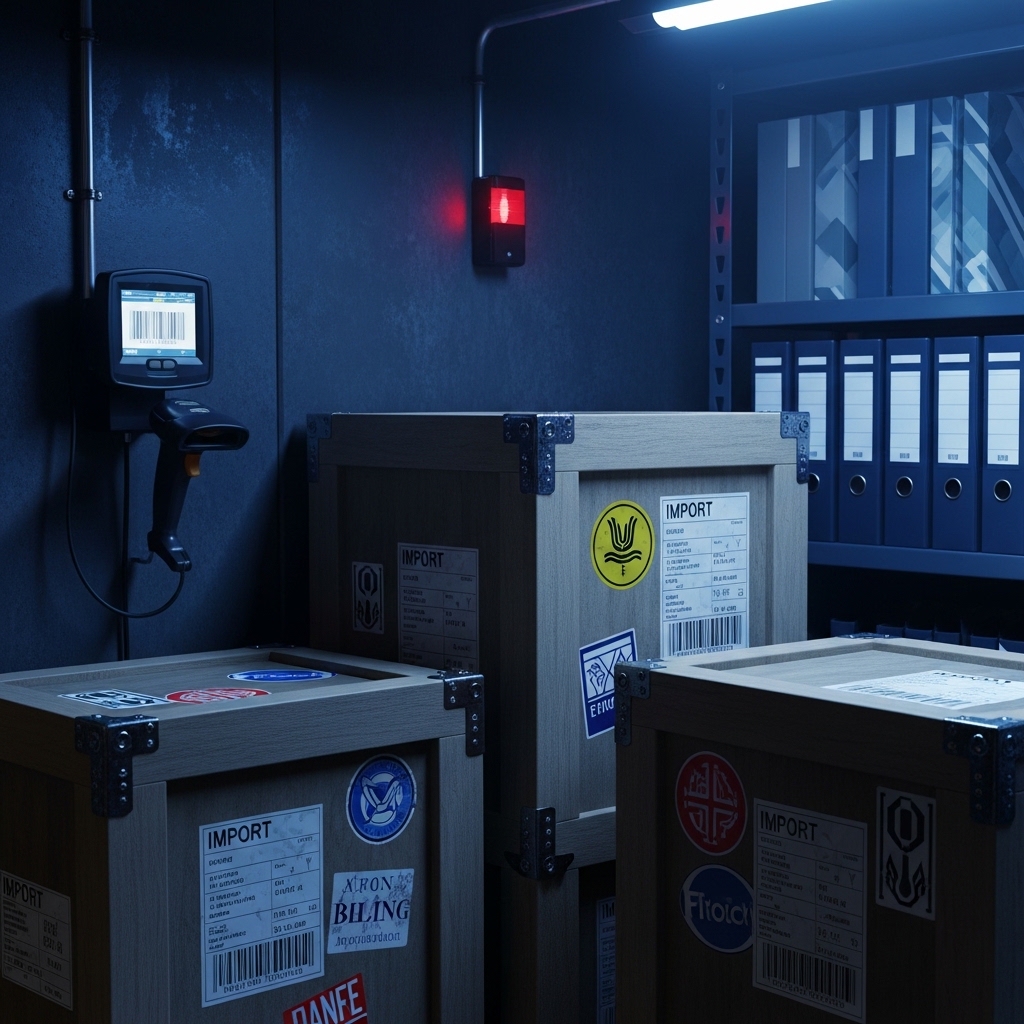
All Incoterms. All Freight Modes.
We support shipments under all major Incoterms — including full compliance management for ocean freight shipments under DDP and FOB terms. Whether your goods move by sea, air, or road, we ensure duty liability is correctly assigned and customs obligations are fully met at every stage.
IOR vs. Consignee
|
Importer of Record (IOR) |
Consignee |
|
|
Legal responsibility |
Full customs compliance liability |
No compliance liability |
|
Customs filing |
Files all entry documents |
Not required to file |
|
Duty payment |
Pays all duties, taxes, and fees |
May pay in some transactions |
|
Regulatory compliance |
Ensures goods meet all import laws |
Not responsible |
|
Who they are |
Legal entity or third-party IOR provider |
Buyer, warehouse, or distributor |
|
Can they be the same? |
Yes, when importing for own use |
Yes, when they act as IOR |
|
Audit liability |
Bears full post-clearance audit risk |
No audit liability |
|
Required identifier |
EIN, SSN, or CBP importer number |
Not required |
Industries We Serve
- IT & Telecommunications — Servers, networking equipment, and dual-use technology
- Medical Devices — FDA, CE, and ANVISA-regulated equipment
- Defense & Aerospace — Controlled goods and export-licensed equipment
- E-commerce & Retail — Amazon FBA imports and direct-to-consumer shipments
- Energy & Industrial — Heavy machinery and specialized equipment
Why Companies Choose Us
- 170+ countries covered with in-market compliance expertise
- Full liability coverage — we carry the legal and financial risk, not you
- Fast onboarding — no waiting for local entity setup, your shipment moves immediately
- Single point of contact across all destination countries and freight modes
- Zero surprise fees — all duties, taxes, and compliance costs are transparent upfront
25+ years of IOR experience across the most complex trade markets in the world
Frequently Asked Questions
What is an Importer of Record?
The IOR is the legally registered entity responsible for customs compliance when goods enter a country — filing documents, paying duties, and carrying full liability for the shipment.
Who needs an IOR service?
Any company shipping into a country where it has no legal entity. This includes foreign manufacturers, IT distributors, e-commerce sellers, and multinationals managing shipments across multiple markets.
How do you get started?
Contact us with your destination country, product type, and shipment frequency. We assess your compliance requirements and onboard you as a client — typically within 24–48 hours.
Is the IOR the same as the consignee?
No. The IOR holds legal and financial compliance responsibility. The consignee simply receives the goods. In most international B2B shipments they are different parties.
What is the difference between an IOR and a customs broker?
A customs broker files paperwork on your behalf. The IOR holds the legal liability. We act as both, so you have a single point of accountability for your entire import.
What happens without a designated IOR?
Your shipment cannot legally clear customs. Authorities may hold, seize, or return the goods, and your company may face fines and penalties regardless of where you are based.