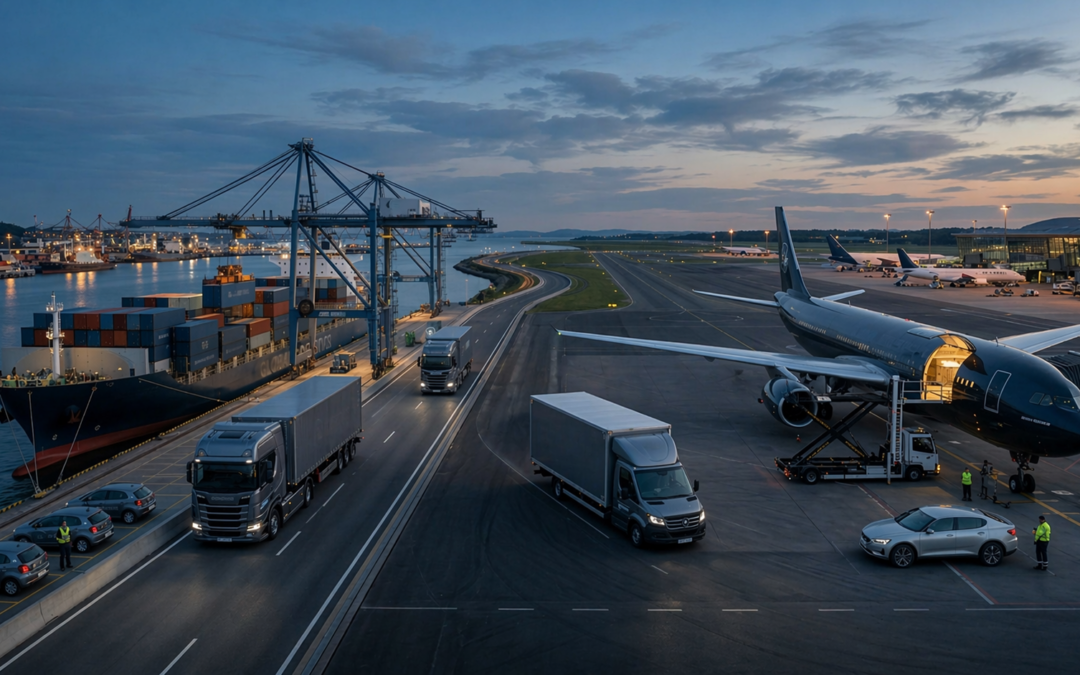
Most businesses ship every day without pausing to evaluate which type of freight forwarder actually fits their cargo, route, or compliance needs. A freight forwarder coordinates the movement of goods from origin to destination, whether across a city or across...
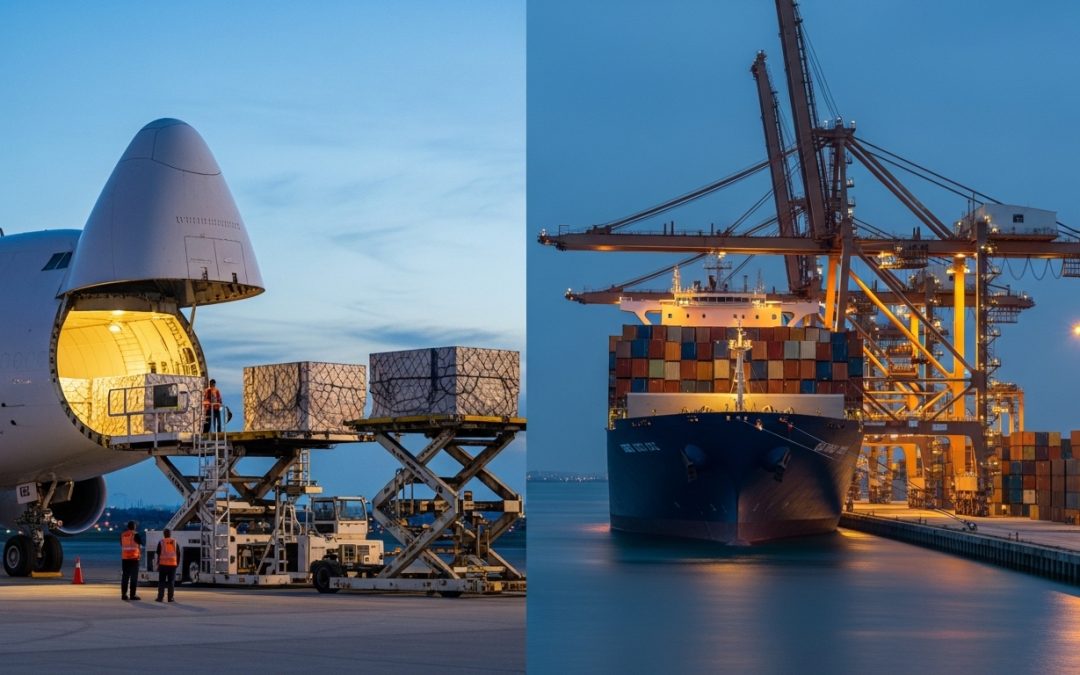
Choosing between air freight and ocean freight usually comes down to one practical question: how much risk can this shipment carry? Both options work. Both fail when used for the wrong reason. Air freight protects time-critical operations but increases cost. Ocean...
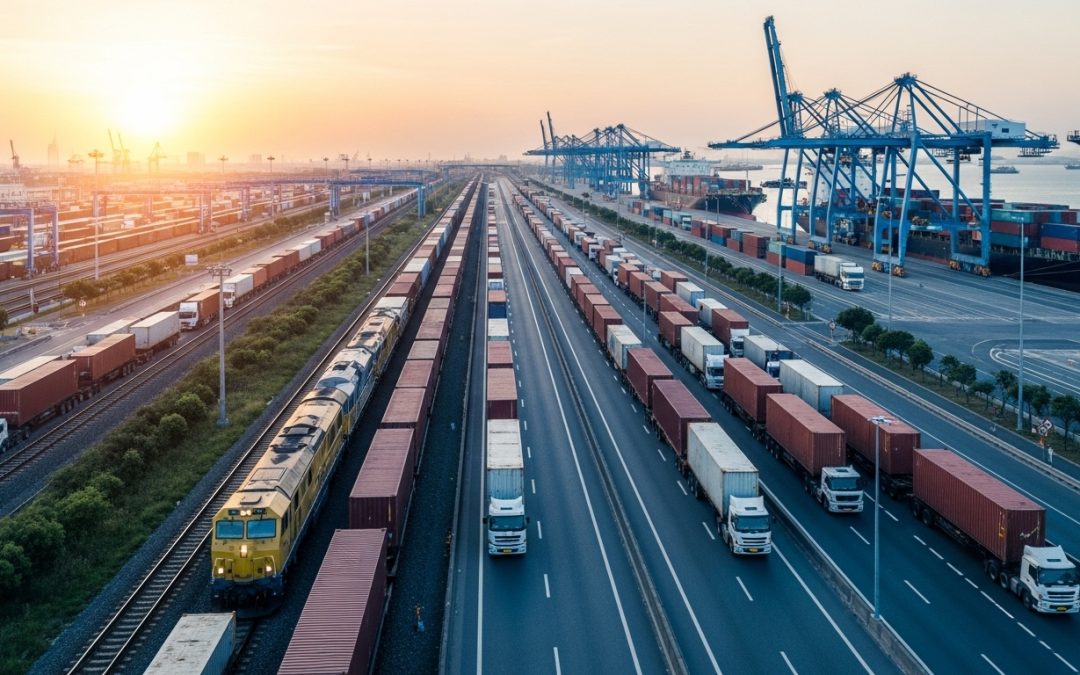
In logistics, most issues don’t come from the transport mode itself. They come from handover points when a container moves from truck to rail, rail to port, or port back to road. Intermodal transport is designed to limit what can go wrong at those moments. It moves...
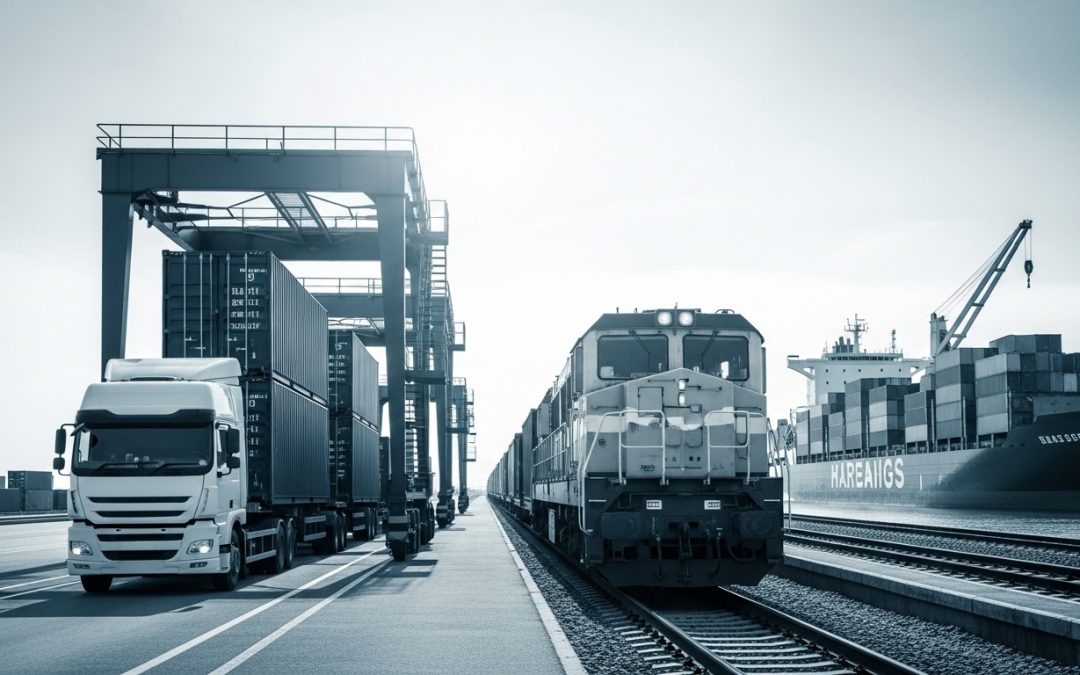
Most logistics problems don’t happen at sea or in the air; they happen in between. They happen at handover points: when cargo moves from truck to rail, from rail to port, from port to vessel. This is where delays start, documents go missing, and responsibility becomes...
Freight shipping delays occur when cargo misses planned transit milestones due to documentation issues, capacity constraints, congestion, or external disruptions. While some delays are unavoidable, many are predictable — and preventable — with early planning and...
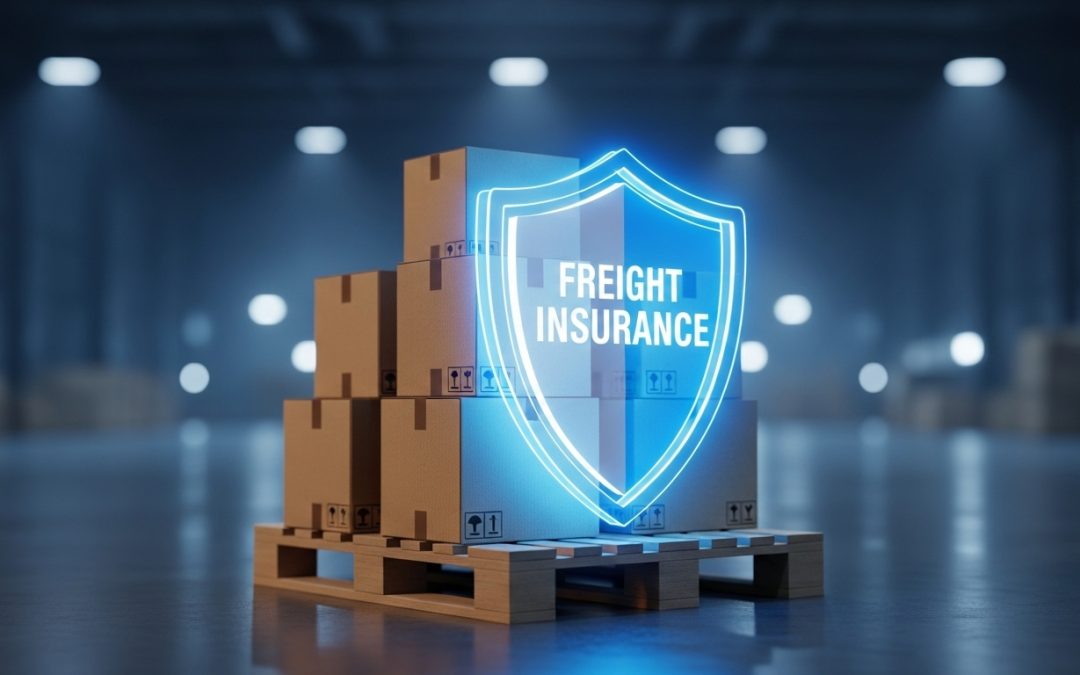
A shipment can leave the warehouse in perfect condition and still face risks long before it reaches its final destination. Cargo may be handled at multiple ports, transferred between carriers, inspected by customs, or delayed during transshipment—each step adding...