

What is Bab el-Mandeb? (Why It Matters)
Key facts:
- Only 29 km wide
- Connects the Red Sea to the Gulf of Aden (gateway to the Suez Canal)
- Handles ~12% of global seaborne trade daily
- Moves ~8.8 million barrels of oil per day (EIA)
- Narrow, exposed, and difficult to secure
For Gulf exporters like Saudi Arabia and the UAE, this is not optional infrastructure; it is a critical energy lifeline to Europe.
The Threat Today (Why This Is Escalating)
The situation is no longer theoretical; it is actively unfolding.
What’s happening now:
- The Houthi movement has escalated attacks, including strikes on Israeli-linked targets
- Officials have confirmed that closing the strait is “an option on the table.”
- The corridor is technically open, but operationally unstable
- Major carriers (Maersk, MSC, Hapag-Lloyd) are already:
- Rerouting via the Cape of Good Hope
- Avoiding the Red Sea in practice
The result: Disruption without formal closure
It is worth noting that ocean, air, and tanker freight rates were already rising sharply before this escalation, which was driven directly by regional conflict. A Bab el-Mandeb closure would accelerate that pressure across every mode simultaneously.
If Bab el-Mandeb Closes — Global Impact Breakdown
A full closure would trigger a multi-layered shock across energy, logistics, and food systems.
Energy Markets
- Oil could surge to $120–$130+ per barrel
- LNG flows to Europe face severe disruption
- Middle East → Europe energy routes delayed by weeks
Air Cargo
- Already down ~18% globally
- Surge in demand for: Electronics, Pharma, High-value goods
- Capacity tightens → rates increase further
Food Security
- The Middle East imports ~85% of its food
- Risk of shortages by late 2026
- Staples like wheat and rice most vulnerable
Ocean Freight
- +12–15 additional days (on top of Cape rerouting)
- Effective shipping capacity drops
- Freight rates spike sharply across all modes
Manufacturing
- Just-in-time models fail under prolonged delays
- Highest exposure sectors: Automotive, Pharmaceuticals, Electronics
Financial Markets
- Inflation accelerates globally
- Marine insurance premiums rise 50–100%
- Trade-dependent economies face downward pressure
The Bigger Picture (Why This Is Different)
This is not a temporary disruption.
It is a structural stress test of global trade systems. Maritime reliability is being challenged, insurance frameworks are under pressure, just-in-time logistics is breaking down, and geopolitical risk is now permanently embedded in supply chains.
The World Bank and UNCTAD have both flagged sustained chokepoint disruption as one of the most severe systemic risks to global economic stability this decade. Those warnings are no longer hypothetical.
Organizations that adapt now will gain a long-term competitive advantage — not just survive this crisis.
Final Thought
The “Gate of Tears” has disrupted trade before.
But in today’s interconnected global economy, the cost of disruption is exponentially higher, and recovery is slower.
And now, is your supply chain built to absorb what’s coming — or still built for a world that no longer exists?
Also, you can read:
What is HS Code?
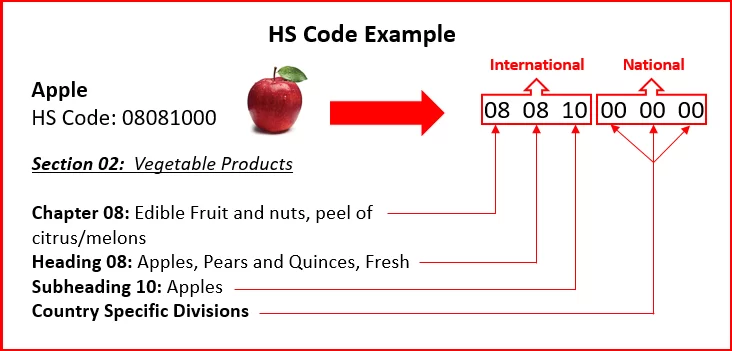
What is HS Code? Definition of Harmonized System Code HS Code or The Harmonized Commodity Description and Coding System, which is also known as the Harmonized System (HS) HS code is defined as the international standardized system of product names and numbers to...
Does IOR Own the Shipping Goods, and Who is The Importer?
Do Importer of Record IOR Own Imported Goods? For many newcomers to the import/export industry, understanding certain roles can be confusing. Questions like who the consignee is and who acts as the freight forwarder often puzzle them. Similarly, many are unclear about...
Benefits of Non-Resident Importer of Record (IOR) for Importers
Global procurement of tangible items is never an easy job particularly not when you want to import something into a foreign country. Therefore, experts always recommend all those people who are new to international shipments get expert Non-Resident IOR NRI (Importers...

Importer Of Record IOR Service in UK
Understanding the Importer of Record (IOR) Role in the UK The protracted issue of Brexit is still far from a solution. If it materializes then customs laws for the UK will change. For now, the EU customs directives are being followed at the UK seaports. Therefore, we...
Importer of Record and Customs Responsibilities
Importing and exporting goods involves extensive paperwork, often complicated by the involvement of various government agencies. This complexity can pose challenges for shippers aiming to transport goods into specific countries. However, IOR services play a crucial...
Importer Of Record IOR Service in Tunisia
Navigating Tunisia and Importing with IOR Service in Tunisia Eyeing the vibrant Tunisian market? Great choice! But dealing with import regulations can be as tricky as enjoying a plate of brik à l'oeuf—delicious, but a bit messy. That’s where a reliable Importer of...
Importing To Asia With Importer Of Record (IOR) Service
Navigating Asia's Import Landscape Expanding your business into Asia opens up a world of possibilities, especially in the fast-growing tech sector. But navigating the ins and outs of importing goods into this diverse region can be tricky, with all the local...
Importer Of Record IOR Service in Malaysia
Navigating the Malaysian Customs Maze Malaysia, with its stunning beaches, delicious food, and booming economy, offers endless opportunities for international businesses. But navigating the import process can feel a bit like exploring a bustling night market—it’s...
Importer Of Record IOR Service in Laos
Importing goods into Laos can be tricky with its complex regulations. That’s where an IOR Service in Laos comes in handy. Acting as the official importer, the IOR takes care of all the legal stuff, making sure your goods clear customs smoothly and follow Lao...
Importer Of Record IOR Service in Macau
The Importer of Record (IOR) Role in Macau Importing goods into Macau can feel like trying to navigate a maze blindfolded. That's where an IOR Service in Macau comes in. Think of them as your guide in customs, helping you navigate the complex world of import...