
What is Bab el-Mandeb? (Why It Matters)
Key facts:
- Only 29 km wide
- Connects the Red Sea to the Gulf of Aden (gateway to the Suez Canal)
- Handles ~12% of global seaborne trade daily
- Moves ~8.8 million barrels of oil per day (EIA)
- Narrow, exposed, and difficult to secure
For Gulf exporters like Saudi Arabia and the UAE, this is not optional infrastructure; it is a critical energy lifeline to Europe.
The Threat Today (Why This Is Escalating)
The situation is no longer theoretical; it is actively unfolding.
What’s happening now:
- The Houthi movement has escalated attacks, including strikes on Israeli-linked targets
- Officials have confirmed that closing the strait is “an option on the table.”
- The corridor is technically open, but operationally unstable
- Major carriers (Maersk, MSC, Hapag-Lloyd) are already:
- Rerouting via the Cape of Good Hope
- Avoiding the Red Sea in practice
The result: Disruption without formal closure
It is worth noting that ocean, air, and tanker freight rates were already rising sharply before this escalation, which was driven directly by regional conflict. A Bab el-Mandeb closure would accelerate that pressure across every mode simultaneously.
If Bab el-Mandeb Closes — Global Impact Breakdown
A full closure would trigger a multi-layered shock across energy, logistics, and food systems.
Energy Markets
- Oil could surge to $120–$130+ per barrel
- LNG flows to Europe face severe disruption
- Middle East → Europe energy routes delayed by weeks
Air Cargo
- Already down ~18% globally
- Surge in demand for: Electronics, Pharma, High-value goods
- Capacity tightens → rates increase further
Food Security
- The Middle East imports ~85% of its food
- Risk of shortages by late 2026
- Staples like wheat and rice most vulnerable
Ocean Freight
- +12–15 additional days (on top of Cape rerouting)
- Effective shipping capacity drops
- Freight rates spike sharply across all modes
Manufacturing
- Just-in-time models fail under prolonged delays
- Highest exposure sectors: Automotive, Pharmaceuticals, Electronics
Financial Markets
- Inflation accelerates globally
- Marine insurance premiums rise 50–100%
- Trade-dependent economies face downward pressure
The Bigger Picture (Why This Is Different)
This is not a temporary disruption.
It is a structural stress test of global trade systems. Maritime reliability is being challenged, insurance frameworks are under pressure, just-in-time logistics is breaking down, and geopolitical risk is now permanently embedded in supply chains.
The World Bank and UNCTAD have both flagged sustained chokepoint disruption as one of the most severe systemic risks to global economic stability this decade. Those warnings are no longer hypothetical.
Organizations that adapt now will gain a long-term competitive advantage — not just survive this crisis.
Final Thought
The “Gate of Tears” has disrupted trade before.
But in today’s interconnected global economy, the cost of disruption is exponentially higher, and recovery is slower.
And now, is your supply chain built to absorb what’s coming — or still built for a world that no longer exists?
Also, you can read:

Different Ways to Ship Fashion Overseas
Fashion shipping has always been a major headache for all those apparel businesses catering to the European and American markets. You need to make sure the shipping items reach their destination without a scratch due to the strict distribution compliances of those...
Top E-Commerce Markets to Explore in the Middle East
Trade and retail analysts are in agreement that the Internet has made the world one big market. The unprecedented and phenomenal success of Amazon is clear proof of this assertion. The global retail market is further divided on the loose basis of regions from an...

Benefits of Outsourcing Fashion Shipping Logistics to Experts
Outsourcing Garment/Fashion Shipping The Internet has opened the doors of endless opportunities for entrepreneurs working in any market and business niche. If we particularly talk about the garment/fashion industry, then it has experienced exponential growth in the...

How to Make the Most of Amazon Global Selling?
“The world is at your fingertips”— this phrase is often quoted in the same breath as any mention of the current, precipitous growth of technology, especially the kind related to the Internet. This is no hyperbole. With smartphones in our hands, indeed, we are...
Fashion Shipping From Jordan & Egypt to the US USA
Egypt and Jordan have always been the hubs of fashion/garment manufacturing in the MENA region. However, this potential hasn’t turned into a large-scale fashion shipping regime. Jordanian and Egyptian fashion manufacturers are importing their goods but not in...
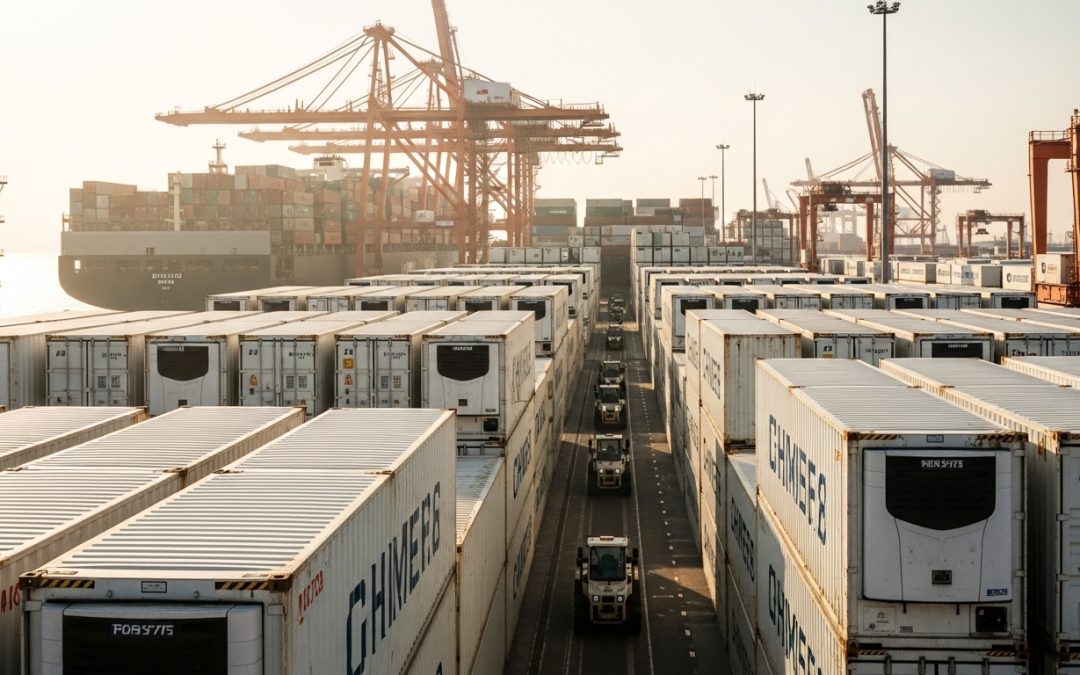
What Is a Reefer Container?
Temperature-sensitive cargo does not fail gradually — it fails suddenly. A short power interruption, incorrect airflow, or a few degrees outside tolerance can turn fresh produce into waste, compromise pharmaceutical shipments, or trigger regulatory non-compliance....
Importer Of Record IOR Service in Lebanon
IOR Service in Lebanon Importing goods into Lebanon can be a bit of a maze, right? With all the customs rules and regulations, it's easy to get lost. That's where we come in. At GCE Logistics, we're your guide through the Lebanese import jungle. We offer a full range...
Importer Of Record IOR Service in the West Bank – Palestine
Importing into the West Bank–Palestine, especially when dealing with specialized tech equipment, can feel like a maze. But don’t worry, partnering with an Importer of Record (IOR) can turn things around for your business. Here’s how we can make a big difference. The...
Importer Of Record IOR Service in South Sudan
IOR Service in South Sudan South Sudan’s ICT sector is on the rise, and it's creating some exciting opportunities for importing recording solutions. With the country’s population growing and the digital landscape expanding, the demand for efficient data storage and...
Importer Of Record IOR Service in Guinea Bissau
The Importer of Record (IOR) Role in Guinea Bissau Importing goods into Guinea-Bissau can be a bit tricky, but it's worth it. This country is growing its tech exports and has a lot of opportunities for businesses. China, Portugal, and Senegal are some of the biggest...